

Public travel plan
A Budget Explorer’s Seven-Day Andalusia Route of White Villages, Flamenco and Moorish Architecture
This source-faithful route follows the creator’s seven-day, six-night journey through southern Spain: an overnight arrival in Madrid, Seville, two nights in Ronda, one night in Málaga, and a return to Madrid. The strong…
Source videos
Travel inspiration behind this plan
Plan notes
Useful context before you go
This source-faithful route follows the creator’s seven-day, six-night journey through southern Spain: an overnight arrival in Madrid, Seville, two nights in Ronda, one night in Málaga, and a return to Madrid. The strongest fit is a budget-conscious independent traveler who values public transport, compact city-center stays, historic architecture, villages and local food. The creator carried €600 in cash for two people but used a low-fee card for most purchases; cards were widely accepted. For connectivity, the source compares Spanish SIM providers Vodafone, Orange, Movistar and Yoigo with an eSIM option. The creator recommends avoiding May through August because of 35–40°C heat and describes November as sunny and pleasant at roughly 21–22°C during the day. Book intercity trains ahead because dynamic pricing and full trains can make last-minute travel difficult; Omio was convenient but added roughly 10–15% in fees. A Schengen visa and supporting documents such as return flights, accommodation, internal tickets and itinerary details may be requested. The source’s broader budget estimate was approximately ₹310,000–₹320,000 for two people including flights, food, accommodation, internal transport and attractions, excluding visa costs, with a 10–20% buffer.
Resources for this plan
Shared by the source creators. These are not VibePlanit endorsements and may be affiliate links.
Itinerary highlights
What is in this plan
Day 1 — Madrid arrival and overnight connection
Use Madrid as a practical arrival stop rather than a full city stay. The source landed in the evening, stayed near the railway station and continued south the next morning. Madrid is described as comparatively expensive, so keep this night simple and close to onward transport.
-
Adolfo Suárez Madrid–Barajas AirportAdolfo Suárez Madrid–Barajas Airport, Madrid, Spain
Arrive at the international terminal and allow time to follow signs for the metro connection. The airport has four terminals, with international arrivals generally using T4.

-
Banco Santander ATM, MadridBanco Santander ATM, Madrid, Spain
Take the airport metro rather than an Uber when practical. Buy and top up the metro card at the airport counter or kiosk; the source describes this as the cheapest independent option.
-
Banco Santander ATM, MadridBanco Santander ATM, Madrid, Spain
Stay near the railway station for this one-night connection. The source used a basic, inexpensive hostel room suitable for two people rather than paying Madrid’s higher city rates.
-
Banco Santander ATM, MadridBanco Santander ATM, Madrid, Spain
If you arrive with enough evening energy, visit the exterior of a Money Heist filming location. The source mentions Madrid’s filming spots as an optional interest rather than a central part of the route.
-
Sobrino de BotínSobrino de Botín, Calle de Cuchilleros 17, Madrid, Spain
For a historic dinner option, the source specifically mentions Sobrino de Botín as the world’s oldest restaurant. Treat it as an optional splurge in an otherwise budget-focused arrival night.
-
Madrid Puerta de Atocha-Almudena GrandesMadrid Puerta de Atocha-Almudena Grandes, Madrid, Spain
Book the southbound train before departure day. The source’s train was full, and advance booking avoided losing the preferred time despite Omio’s added convenience fee.
Day 2 — Seville’s Moorish-Christian core
The source spent one night in Seville and stayed in a central hostel with a private room and bathroom. Most food and sightseeing were within roughly a one-kilometre walking radius, making this a compact, high-density day.
-
Sevilla-Santa JustaSevilla-Santa Justa, Seville, Spain
Use the roughly two-and-a-half-hour train from Madrid to Seville. Advance booking is strongly preferred because the source found the train already full.
-
Plaza de EspañaPlaza de España, Seville, Spain
Start with the free Plaza de España. Unlike the Alcázar, Cathedral and bullring, the source says this stop does not require advance tickets.
-
Royal Alcázar of SevilleRoyal Alcázar of Seville, Patio de Banderas, Seville, Spain
Book the Alcázar ahead of time. It is one of the source’s three Seville attractions where advance tickets are recommended, and it represents the Islamic-Christian architectural blend emphasized throughout the route.
-
Catedral de SevillaCatedral de Sevilla, Avenida de la Constitución, Seville, Spain
Reserve Cathedral admission in advance. The source identifies Seville Cathedral as another major ticketed stop and highlights the city’s distinctive Islamic and Christian architectural layers.
-
Plaza de Toros de la Real Maestranza de Caballería de SevillaPlaza de Toros de la Real Maestranza de Caballería de Sevilla, Paseo de Cristóbal Colón 12, Seville, Spain
Visit the bullring as a historic arena rather than expecting a live bullfight. The source says bullfighting no longer takes place there, but visitors can tour the ring with a ticket.
-
Seville Historic CenterSeville Historic Center, Seville, Spain
Finish with a flamenco show. The source identifies Seville as an important home of flamenco and connects it with the well-known ‘Serita’ dance reference.
Days 3–4 — Ronda and the white-village day trip
Spend two nights in Ronda, as recommended by the source, using it as the base for the dramatic gorge and a day trip to Setenil de las Bodegas. Public buses worked well, but check the limited Setenil timetable before leaving.
-
RondaRonda, Málaga, Spain
Take the bus from Seville to Ronda. The source used public transport and describes Andalusia’s roads and buses as convenient and safe.
-
Puente NuevoPuente Nuevo, Ronda, Málaga, Spain
Stand on the Puente Nuevo for the signature gorge view. The source describes the bridge as approximately 200 feet high, with Ronda town above and the gorge below.
-
RondaRonda, Málaga, Spain
Explore Ronda’s marble-and-tile city centre on foot. The source recommends two nights because the town rewards strolling and has several small places to explore.
-
RondaRonda, Málaga, Spain
Use Ronda as a relaxed food stop. The source specifically mentions pizza, beer and Spanish or Italian restaurants, while noting that the creator ate vegetarian food.
-
Setenil de las BodegasSetenil de las Bodegas, Cádiz, Spain
Take the approximately one-hour bus to Setenil de las Bodegas. Buses are limited, so check the return times before setting out; the source says tickets can be bought locally for roughly €5–7.
-
Setenil de las BodegasSetenil de las Bodegas, Cádiz, Spain
Walk through the white town built beneath and beside two large rock formations. A tuk-tuk is another option mentioned by the source if you prefer not to walk the whole village.
Day 5 — Málaga coast, sunset and optional Comares
Move from Ronda to Málaga by bus, allowing roughly one and a half hours. The source spent one night here, but two nights would create room for the nearby towns and Caminito del Rey.
-
MálagaMálaga, Spain
Take the bus from Ronda to Málaga. The source used this connection and describes the journey as approximately one and a half hours.
-
MálagaMálaga, Spain
Visit the castle viewpoint for broad views over the promenade, sea and large ships. The source recommends timing this around sunset, when the scene feels like a painting.
-
MálagaMálaga, Spain
Walk Málaga’s promenade and beach for a calmer coastal break after the inland villages. The source describes the city as relaxed, scenic and particularly pleasant in the evening.
-
MálagaMálaga, Spain
Explore the illuminated city centre and choose from the eateries there. The source specifically enjoyed pizza and vegetarian food during the Málaga stop.
-
Castillo de ComaresCastillo de Comares, Comares, Málaga, Spain
Consider Castillo de Comares only if you want an Instagram-oriented photo stop. The source describes it as visually attractive but small, with limited historical significance, an approximately one-hour drive and a low entry fee.
-
MálagaMálaga, Spain
If extending Málaga to two nights, use the additional time for nearby coastal towns or the active day trip listed next. The source presents this as the more relaxed alternative to the one-night schedule.
Days 6–7 — Cádiz option and return to Madrid
The final stage returns to Madrid by train for departure. Cádiz is the source’s strongest suggested addition if extending beyond the compressed seven-day route; Frigiliana, Nerja, Marbella and Caminito del Rey are also named optional additions, but the source clearly distinguishes the places visited from those not reached.
-
CádizCádiz, Spain
If expanding the route before returning north, include Cádiz between Seville and Ronda. The source specifically recommends it as a beautiful coastal and historic town with Islamic-Christian architectural layers.
-
Caminito del ReyCaminito del Rey, Ardales, Málaga, Spain
For an active extension from Málaga, reserve Caminito del Rey well ahead because tickets reportedly sell out quickly. The source describes a roughly seven-hour but not extremely difficult trail with prepared routes and strong views.
-
FrigilianaFrigiliana, Málaga, Spain
Choose Frigiliana if you want a historic coastal town extension from Málaga. The source places it approximately 57 kilometres from Málaga and says it was not visited personally, so treat it as an optional addition rather than a confirmed stop.
-
NerjaNerja, Málaga, Spain
Pair Nerja with Frigiliana if adding a second coastal-town stop. The source places Nerja roughly seven kilometres from Frigiliana and describes both as beautiful historic coastal towns that require additional time.
-
MarbellaMarbella, Málaga, Spain
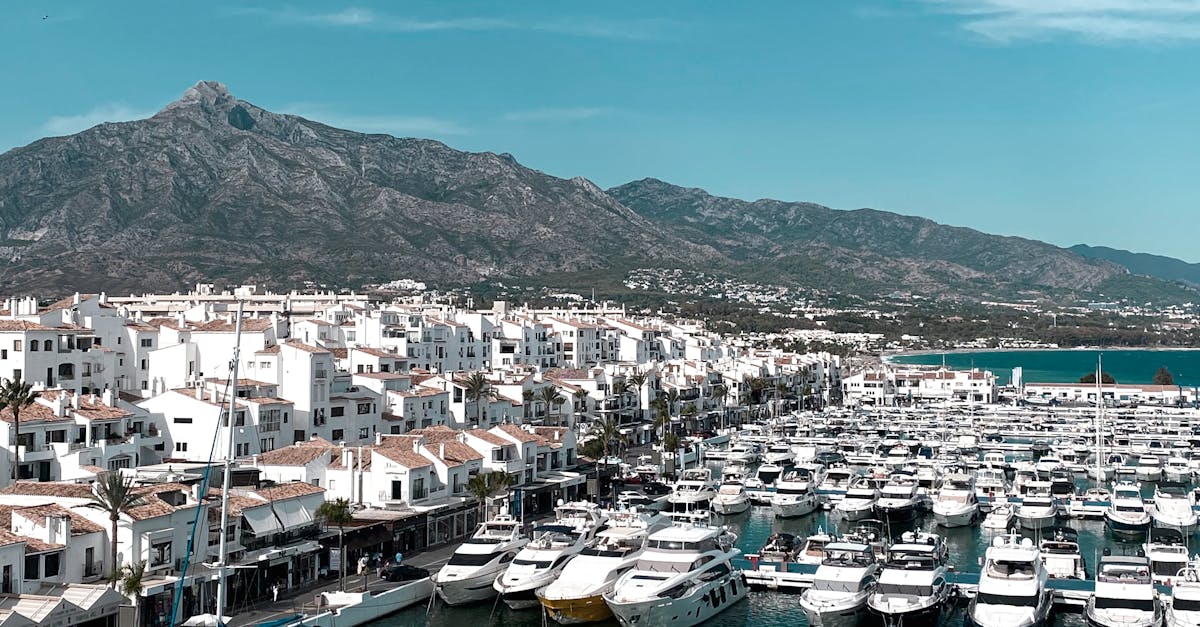
Marbella is another optional addition from the Ronda area, approximately 60 kilometres away according to the source. Include it only if the route is extended rather than trying to squeeze it into the original seven-day pace.
-
Adolfo Suárez Madrid–Barajas AirportAdolfo Suárez Madrid–Barajas Airport, Madrid, Spain
Return from Málaga to Madrid by the approximately two-and-a-half-hour train and keep the final night close to the airport if departing early. The source used a hotel with a free airport shuttle because the airport is far from the city and an early metro journey would be impractical.