

Public travel plan
A Four-Week Wildlife Conservation Volunteering Immersion at N/a'an ku sê
This is a four-week wildlife conservation volunteer placement centered entirely on N/a'an ku sê Wildlife Sanctuary. Expect structured group assignments, morning assembly, food preparation, enclosure cleaning, animal-car…
Source videos
Travel inspiration behind this plan
Plan notes
Useful context before you go
This is a four-week wildlife conservation volunteer placement centered entirely on N/a'an ku sê Wildlife Sanctuary. Expect structured group assignments, morning assembly, food preparation, enclosure cleaning, animal-care duties, research drives, camera-trap checks, and practical anti-poaching support rather than a conventional safari itinerary. Pack lightweight, heat-appropriate work clothes, closed shoes, sun protection, a reusable water bottle, a headlamp for outdoor facilities, and camera equipment suitable for observing wildlife without approaching or touching it. Animal interaction is tightly limited: the baboon walk is the described hands-on rehabilitation activity, while the cheetah experience follows a strict non-touch policy. The accommodation shown includes volunteer tents or huts with an outdoor toilet and shower, while a villa option includes a kitchen, bedrooms, bathroom, and a wildlife-facing porch. The supplied material does not provide placement fees, transport costs, or booking details, so confirm those directly before committing. Airalo is identified in the supplied material as an eSIM option for mobile data; verify coverage and pricing for the sanctuary before arrival.
Resources for this plan
Shared by the source creators. These are not VibePlanit endorsements and may be affiliate links.
Itinerary highlights
What is in this plan
Days 1-4: Arrival, Assembly and Sanctuary Orientation
Use the opening days to settle into the four-week volunteer rhythm, learn group assignments at morning assembly, and become familiar with the sanctuary’s working environment. The source material describes volunteer accommodation in tents or huts, with a smaller number of volunteers staying in a villa.
-
N/a'an ku sê Wildlife SanctuaryN/a'an ku sê Wildlife Sanctuary, Namibia
Begin at the sanctuary’s volunteer morning assembly, where volunteers are divided into different working groups and assigned the day’s activities.

-
N/a'an ku sê Wildlife SanctuaryN/a'an ku sê Wildlife Sanctuary, Namibia
Settle into the volunteer tent or hut accommodation. The described setup includes an individual bed and outdoor toilet and shower facilities.
-
N/a'an ku sê Wildlife SanctuaryN/a'an ku sê Wildlife Sanctuary, Namibia
If assigned to the villa, expect a larger shared living room, kitchen, bedrooms, bathroom, and a porch overlooking the surrounding wildlife habitat.
-
N/a'an ku sê Wildlife SanctuaryN/a'an ku sê Wildlife Sanctuary, Namibia
Treat the sanctuary as a working conservation site rather than a standard visitor attraction. The operation is described as covering an 8,000-acre main sanctuary within a wider conservation network.
-
N/a'an ku sê Wildlife SanctuaryN/a'an ku sê Wildlife Sanctuary, Namibia
Keep the Lapa area in mind as a communal volunteer space; wild ostriches were described entering this area unexpectedly.
-
N/a'an ku sê Wildlife SanctuaryN/a'an ku sê Wildlife Sanctuary, Namibia
Plan for communal meals during the placement; lunch is shown as a shared part of the volunteer day after field activities.
Days 5-8: Baboon Rehabilitation and Daily Care
This phase focuses on the sanctuary’s described baboon rehabilitation work. The baboon walk is the only animal interaction specifically identified, so follow the sanctuary’s boundaries and do not generalize this experience to other species.
-
N/a'an ku sê Wildlife SanctuaryN/a'an ku sê Wildlife Sanctuary, Namibia
Join the baboon walk, taking baby and teenage baboons outside their enclosure for exercise and to help them become comfortable beyond the enclosure.
-
N/a'an ku sê Wildlife SanctuaryN/a'an ku sê Wildlife Sanctuary, Namibia
Expect curious, playful behavior from the younger baboons, including climbing onto shoulders, grooming, and investigating volunteers.
-
N/a'an ku sê Wildlife SanctuaryN/a'an ku sê Wildlife Sanctuary, Namibia
Follow the sanctuary’s strict limits around animal contact. The described baboon walk is explicitly identified as the only animal interaction at the sanctuary.
-
N/a'an ku sê Wildlife SanctuaryN/a'an ku sê Wildlife Sanctuary, Namibia
Prepare fruit, vegetables, and a porridge mixture for the baboons before distributing their food.
-
N/a'an ku sê Wildlife SanctuaryN/a'an ku sê Wildlife Sanctuary, Namibia
Include enclosure cleanup as part of the smaller-animal care routine before food distribution.
-
N/a'an ku sê Wildlife SanctuaryN/a'an ku sê Wildlife Sanctuary, Namibia
Remain alert for wildlife beyond the assigned activity: a wild ostrich was described approaching volunteers and being chased away by the baboons.
Days 9-12: Cheetah Care and Carnivore Feeding
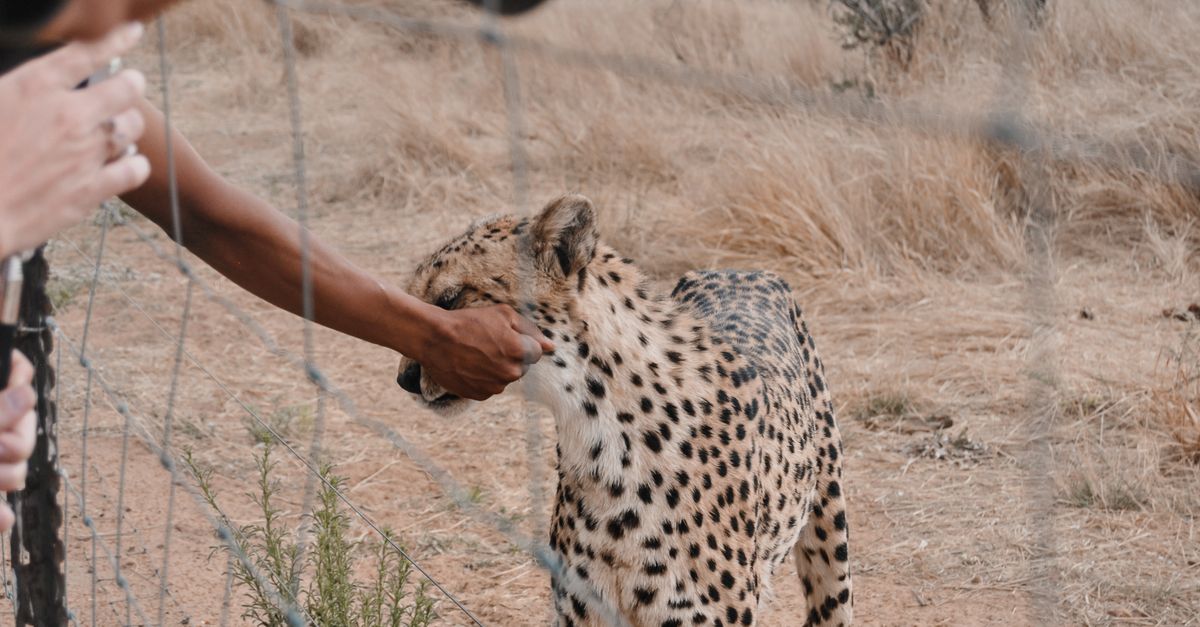
The carnivore-care block combines close observation with behind-the-scenes preparation work. The cheetah enclosure experience is non-touch, and meat preparation and feeding take place from a safe position outside the fences.
-
N/a'an ku sê Wildlife SanctuaryN/a'an ku sê Wildlife Sanctuary, Namibia
Enter the cheetah enclosure only as part of the supervised sanctuary activity. The cheetahs may approach closely, but the policy remains strictly non-touch.
-
N/a'an ku sê Wildlife SanctuaryN/a'an ku sê Wildlife Sanctuary, Namibia
Learn the sanctuary context for the cheetahs: the described animals were kept as pets or orphaned and cannot be released back into the wild.
-
N/a'an ku sê Wildlife SanctuaryN/a'an ku sê Wildlife Sanctuary, Namibia
Prepare meat for the sanctuary’s carnivores, including lions, cheetahs, wild dogs, mountain lions, leopards, and vultures.
-
N/a'an ku sê Wildlife SanctuaryN/a'an ku sê Wildlife Sanctuary, Namibia
Drive around the sanctuary and toss prepared food over the fence to the carnivores, maintaining the safe distance shown in the volunteer routine.
-
N/a'an ku sê Wildlife SanctuaryN/a'an ku sê Wildlife Sanctuary, Namibia
Observe lions, wild dogs, mountain lions, leopards, and vultures during the feeding route without treating the activity as a touch-based encounter.
-
N/a'an ku sê Wildlife SanctuaryN/a'an ku sê Wildlife Sanctuary, Namibia
Keep the feeding route distinct from the baboon food routine: carnivore work involves meat, vehicle movement, fences, and deliberate distance, while smaller-animal work involves fruit, vegetables, porridge, and cleanup.
Days 13-17: Research Drives and Wildlife Monitoring
This phase is the closest match to an authentic safari-style field routine: drive through the reserve for monitoring work, check camera traps, look for elephants, and upload collected images afterward.
-
N/a'an ku sê Wildlife SanctuaryN/a'an ku sê Wildlife Sanctuary, Namibia
Join research drives through the reserve to check camera traps and support the sanctuary’s monitoring work.
-
N/a'an ku sê Wildlife SanctuaryN/a'an ku sê Wildlife Sanctuary, Namibia
Look for elephants during the monitoring drives and use the assigned research activity to check that observed animals appear healthy.
-
N/a'an ku sê Wildlife SanctuaryN/a'an ku sê Wildlife Sanctuary, Namibia
Treat the drive as conservation work first and wildlife viewing second: observations are tied to checking animal condition and sanctuary monitoring.
-
N/a'an ku sê Wildlife SanctuaryN/a'an ku sê Wildlife Sanctuary, Namibia
Use the camera-trap images as the recorded output of the research activity and upload them after returning from the drive.
-
N/a'an ku sê Wildlife SanctuaryN/a'an ku sê Wildlife Sanctuary, Namibia
Expect broad wildlife encounters beyond the individual monitoring target; the described drives produced an authentic safari experience with native Namibian wildlife.
-
N/a'an ku sê Wildlife SanctuaryN/a'an ku sê Wildlife Sanctuary, Namibia
Keep research-drive expectations realistic: the supplied material describes checking traps and spotting elephants, not a guaranteed species list or fixed viewing schedule.
Days 18-21: Horses and K9 Anti-Poaching Support
This working-animal and ranger-support phase adds two distinctly practical conservation roles: horse care and K9 anti-poaching exercises. Both are described as hands-on duties rather than sightseeing.
-
N/a'an ku sê Wildlife SanctuaryN/a'an ku sê Wildlife Sanctuary, Namibia
Take part in horse day by cleaning up after the horses and feeding them during their daytime enclosure routine.
-
N/a'an ku sê Wildlife SanctuaryN/a'an ku sê Wildlife Sanctuary, Namibia
The horses are described as being released to roam at night and returning in the morning for food before spending the day in their enclosures.
-
N/a'an ku sê Wildlife SanctuaryN/a'an ku sê Wildlife Sanctuary, Namibia
Attend the K9 unit demonstration to see ranger exercises designed to help eliminate the threat of poachers.
-
N/a'an ku sê Wildlife SanctuaryN/a'an ku sê Wildlife Sanctuary, Namibia
Try the same K9 exercises demonstrated by the rangers, following the unit’s instructions rather than treating the dogs as ordinary visitor animals.
-
N/a'an ku sê Wildlife SanctuaryN/a'an ku sê Wildlife Sanctuary, Namibia
The described session includes an attack exercise, so treat this as a controlled working-dog training environment and follow all safety directions closely.
-
N/a'an ku sê Wildlife SanctuaryN/a'an ku sê Wildlife Sanctuary, Namibia
Balance the physically messy horse duties with the structured K9 work; both are presented as real operational contributions within the sanctuary rather than staged animal encounters.
Days 22-28: Community, Wildlife Rhythms and Final Immersion
Use the final week to experience the recurring social and environmental rhythms described at the sanctuary: Friday’s school performance, unexpected wildlife around communal spaces, rain, changing animal routines, and the daily repetition that defines a longer volunteer stay.
-
N/a'an ku sê Wildlife SanctuaryN/a'an ku sê Wildlife Sanctuary, Namibia
Attend the Friday morning performance at the sanctuary’s primary school, where staff children present songs and dances for volunteers.
-
N/a'an ku sê Wildlife SanctuaryN/a'an ku sê Wildlife Sanctuary, Namibia
Reserve Friday mornings for this performance if the volunteer schedule allows; it is described as a favorite part of the week for volunteers.
-
N/a'an ku sê Wildlife SanctuaryN/a'an ku sê Wildlife Sanctuary, Namibia
Expect the sanctuary’s wildlife to appear in communal areas without warning; wild ostriches were described entering the Lapa area.
-
N/a'an ku sê Wildlife SanctuaryN/a'an ku sê Wildlife Sanctuary, Namibia
Use the villa porch, when assigned, as a quiet observation point for the wildlife visible from the accommodation rather than attempting to approach animals.
-
N/a'an ku sê Wildlife SanctuaryN/a'an ku sê Wildlife Sanctuary, Namibia
Be prepared for changing weather even in this dry-country setting; heavy rain was described at the sanctuary during the stay.
-
N/a'an ku sê Wildlife SanctuaryN/a'an ku sê Wildlife Sanctuary, Namibia
Finish the four-week placement by continuing the assigned volunteer cycle rather than adding unrelated sightseeing: animal food preparation, enclosure cleaning, baboon rehabilitation, research, camera traps, and wildlife observation are the core experience described.