

Public travel plan
A History Lover’s 4-Day Ancient Rome Hidden-Gems Itinerary
This Italy plan is designed for a cultural enthusiast who enjoys archaeological sites, architectural details, quiet historic corners, and immersive urban walking. Reserve timed entry for the Colosseum, Roman Forum, Pala…

Source videos
Travel inspiration behind this plan
 Explore the Colosseum
Watch on YouTube
Explore the Colosseum
Watch on YouTube
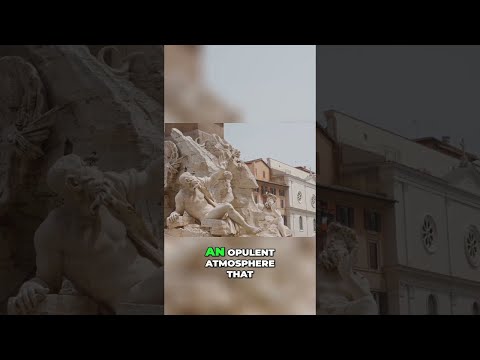 Explore the Opulence of Nero's Golden Palace
Watch on YouTube
Explore the Opulence of Nero's Golden Palace
Watch on YouTube
 Explore the Domus Aurea: Golden Palace of Nero
Watch on YouTube
Explore the Domus Aurea: Golden Palace of Nero
Watch on YouTube
 Discover the Enchanting Quartiere Coppède: A Fairy Tale Walk
Watch on YouTube
Discover the Enchanting Quartiere Coppède: A Fairy Tale Walk
Watch on YouTube
 Teatro di Marcello in Rome
Watch on YouTube
Teatro di Marcello in Rome
Watch on YouTube
 What Secrets Hide On Palatine Hill?
Watch on YouTube
What Secrets Hide On Palatine Hill?
Watch on YouTube
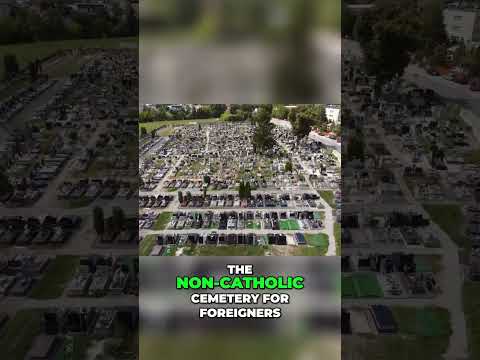 The Beautiful Protestant Cemetery in Rome Italy
Watch on YouTube
The Beautiful Protestant Cemetery in Rome Italy
Watch on YouTube
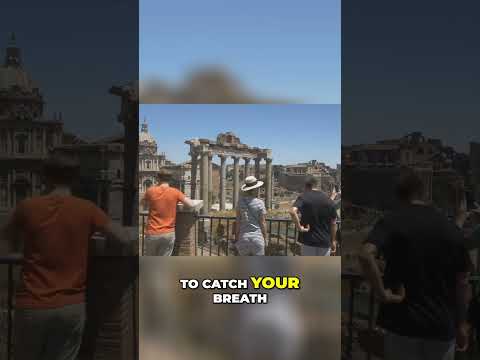 Palatine Hill
Watch on YouTube
Palatine Hill
Watch on YouTube
 Discover the Hidden Sanctuary: Stunning Roman Frescoes
Watch on YouTube
Discover the Hidden Sanctuary: Stunning Roman Frescoes
Watch on YouTube
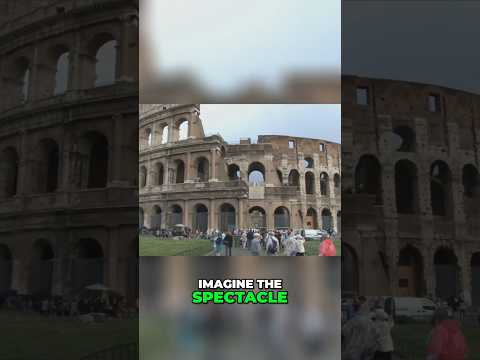 The Colosseum | Visit Ancient Rome
Watch on YouTube
The Colosseum | Visit Ancient Rome
Watch on YouTube
Plan notes
Useful context before you go
This Italy plan is designed for a cultural enthusiast who enjoys archaeological sites, architectural details, quiet historic corners, and immersive urban walking. Reserve timed entry for the Colosseum, Roman Forum, Palatine Hill, and Domus Aurea in advance, especially during peak season. Wear supportive walking shoes, carry water, and expect uneven paving and stairs across archaeological areas. A lightweight camera, spare battery, and polarizing filter are useful for photographing marble, frescoes, and shaded ruins; tripods may be restricted inside monuments. Start major ruins early, then use late afternoon for quieter neighborhoods and gardens. A combined Colosseum–Forum–Palatine ticket is usually the most efficient option. Check Domus Aurea opening days and guided-visit requirements before arrival. Rome’s historic center is best explored on foot, with buses or Metro Line B useful for longer connections.
Itinerary highlights
What is in this plan
Days 1-2 Ancient Rome: Arena, Forum & Imperial Hills
Base yourself near Monti, Celio, or the historic center so the main archaeological sites are walkable. Visit the Colosseum first, continue through the Forum and Palatine complex, and leave time for the Domus Aurea’s limited-access interiors. Morning light is best for broad ruin panoramas; late afternoon gives warmer tones over Circus Maximus.
-
ColosseumColosseum, Piazza del Colosseo, Rome, Italy
Book an interior visit rather than viewing only the exterior. Arrive before the timed slot to clear security and photograph the arches and arena scale before the largest crowds arrive.
Watch the source moment on YouTube ↗ -
Roman ForumRoman Forum, Via della Salara Vecchia, Rome, Italy
Use the Forum as the historical bridge between the Colosseum and Palatine Hill. The elevated paths and broken columns reward a slow walk, so allow time to read context rather than rushing between viewpoints.
Watch the source moment on YouTube ↗ -
Palatine HillPalatine Hill, Via di San Gregorio, Rome, Italy
Follow the Forum route uphill into the site associated with the founding of Rome. Pause at the terraces for sweeping views across the city and frame the ruins with foreground vegetation.
Watch the source moment on YouTube ↗ -
Circus MaximusCircus Maximus, Via del Circo Massimo, Rome, Italy
Look down from the Palatine toward the former chariot-racing ground. The long open axis is especially effective for wide-angle compositions and helps visualize the scale of ancient public entertainment.
Watch the source moment on YouTube ↗ -
Domus AugustanaDomus Augustana, Palatine Hill, Rome, Italy
Explore the surviving palace remains attributed to Augustus within the Palatine complex. Look for fragments of walls, courtyards, and elevated perspectives that reveal how imperial residences occupied the hill.
Watch the source moment on YouTube ↗ -
Domus AureaDomus Aurea, Via della Domus Aurea, Rome, Italy
Reserve a guided visit to the buried palace complex. The underground setting, archaeological layers, and surviving decorative surfaces make this one of the most atmospheric history stops in Rome.
Watch the source moment on YouTube ↗
Day 3 Imperial Engineering & Historic Theater
Keep this day centered around the Colosseum archaeological district and the Capitoline–Marcellus area. Underground sites may be cool even in summer, while exposed ruins require sun protection. Finish with an evening theater or neighborhood walk.
-
Domus Aurea Octagonal RoomOctagonal Room, Domus Aurea, Rome, Italy
Pay particular attention to the octagonal room’s geometry and ceiling design. The unusual plan is a highlight for visitors interested in how Roman engineering shaped ceremonial spaces.
Watch the source moment on YouTube ↗ -
Baths of TrajanBaths of Trajan, Viale Fortunato Mizzi, Rome, Italy
Add this nearby archaeological complex for a quieter look at the monumental landscape surrounding Nero’s palace. It works well as a contextual stop before returning to the better-known arena district.
Watch the source moment on YouTube ↗ -
Teatro di MarcelloTeatro di Marcello, Via del Teatro di Marcello, Rome, Italy
Visit this surviving Roman theater and imagine its original performances while noticing how modern Rome has grown around it. Check the event calendar for concerts or shows, and pair the visit with a nearby gelato.
Watch the source moment on YouTube ↗ -
Capitoline MuseumsCapitoline Museums, Piazza del Campidoglio, Rome, Italy
Use the museum’s terraces and galleries to understand the layered topography around the Forum and Capitoline Hill. Indoor collections provide a useful midday break from the exposed ruins.
Watch the source moment on YouTube ↗ -
PantheonPantheon, Piazza della Rotonda, Rome, Italy
Step inside for a contrasting example of Roman architectural continuity. The dome and oculus are best appreciated from the central floor, but avoid blocking the entrance or other visitors’ views.
Watch the source moment on YouTube ↗ -
Largo di Torre ArgentinaLargo di Torre Argentina, Rome, Italy
Explore the exposed Republican-era ruins in the middle of the modern city. The site is viewed from street level, making it a quick but evocative stop between the Capitoline and Teatro di Marcello.
Watch the source moment on YouTube ↗
Day 4 Whimsical Architecture, Poets & Quiet Rome
Shift away from the busiest archaeological core for a slower neighborhood day. Quartiere Coppedè is best explored in daylight when its decorative details are easy to see; the cemetery is most peaceful in the morning or late afternoon. Keep voices low and follow photography rules in the cemetery.
-
Quartiere CoppedèQuartiere Coppedè, Piazza Mincio, Rome, Italy
Wander slowly through the quiet streets and photograph the mythical creatures, towers, mosaics, and unusual combination of architectural styles. This is a detail-hunting stop rather than a checklist attraction.
Watch the source moment on YouTube ↗ -
Villa TorloniaVilla Torlonia, Via Nomentana, Rome, Italy
Continue the architectural theme at this historic villa and park. The landscaped grounds provide a calmer counterpoint to the ornate façades of Quartiere Coppedè.
Watch the source moment on YouTube ↗ -
Galleria BorgheseGalleria Borghese, Piazzale Scipione Borghese, Rome, Italy
Reserve timed entry if you want to see the collection, then use the surrounding gardens for a more relaxed art-focused break. The museum is a good indoor alternative if afternoon heat makes long walks uncomfortable.
Watch the source moment on YouTube ↗ -
Non-Catholic Cemetery for ForeignersNon-Catholic Cemetery for Foreigners, Via Caio Cestio, Rome, Italy
Treat this as a reflective garden rather than a conventional attraction. Visit the graves of John Keats and Percy Bysshe Shelley, move quietly, and look for the contrast between tall trees, stone monuments, and the surrounding city.
Watch the source moment on YouTube ↗ -
Pyramid of CestiusPyramid of Cestius, Piazzale Ostiense, Rome, Italy
Walk to this distinctive pyramid-shaped tomb for a compact example of Roman monumental architecture. The exterior is easiest to photograph from the surrounding streets, where the geometric silhouette contrasts with the city walls.
Watch the source moment on YouTube ↗ -
Mercato di TestaccioMercato di Testaccio, Via Aldo Manuzio, Rome, Italy
Browse the market for a present-day neighborhood perspective after the cemetery and ancient monuments. Go earlier for the fullest selection and use the surrounding Testaccio streets for a casual Roman food break.
Watch the source moment on YouTube ↗
Day 5 Hidden Frescoes & Layered City Views
Use this final phase as a flexible art-and-archaeology day. Confirm opening hours for smaller archaeological sites, and keep the fresco courtyard visit slow so changing daylight through the glass roof becomes part of the experience.
-
Roman Fresco SanctuaryRoman Fresco Sanctuary, Rome, Italy
Seek out the covered courtyard’s frescoes depicting Roman life and mythology. The glass ceiling creates soft, shifting illumination; use a quiet corner and avoid flash if the site’s rules prohibit it.
Watch the source moment on YouTube ↗ -
National Roman Museum - Palazzo MassimoNational Roman Museum - Palazzo Massimo, Largo di Villa Peretti, Rome, Italy
Use this museum to see how everyday Roman objects, portraits, and archaeological finds complement the monumental ruins visited earlier. It is particularly useful when you want more context than an outdoor site can provide.
Watch the source moment on YouTube ↗ -
Baths of DiocletianBaths of Diocletian, Viale Enrico de Nicola, Rome, Italy
Explore the monumental bath complex to understand the scale of Roman public architecture beyond the Colosseum. The vast brick walls and open spaces are especially striking in late-day light.
Watch the source moment on YouTube ↗ -
Basilica of Santa Maria in TrastevereBasilica of Santa Maria in Trastevere, Piazza di Santa Maria in Trastevere, Rome, Italy
Visit this atmospheric basilica for a living example of Rome’s layered religious and artistic history. Look for the medieval mosaics and quiet side chapels after several days focused on exposed archaeological ruins.
Watch the source moment on YouTube ↗ -
Castel Sant'AngeloCastel Sant'Angelo, Lungotevere Castello, Rome, Italy
Walk around the fortress exterior and riverfront for a later historical chapter of the city. The cylindrical mass and layered walls provide a strong contrast to the open Forum ruins.
Watch the source moment on YouTube ↗ -
Knights of Malta KeyholeKnights of Malta Keyhole, Piazza dei Cavalieri di Malta, Rome, Italy
End with the famous keyhole view for a compact architectural finale. Visit near sunset if you want warmer light, but expect a short queue and be considerate of residents in this quiet lane.
Watch the source moment on YouTube ↗