

Public travel plan
A One-Day 4x4 Expedition Across Salar de Uyuni
Treat this as a focused one-day 4x4 excursion from Uyuni rather than a multi-day salt-flat tour. Confirm the pickup window in advance; the creator's vehicle arrived at approximately 10:30. Bring warm layers, a windproof…

Source videos
Travel inspiration behind this plan
Plan notes
Useful context before you go
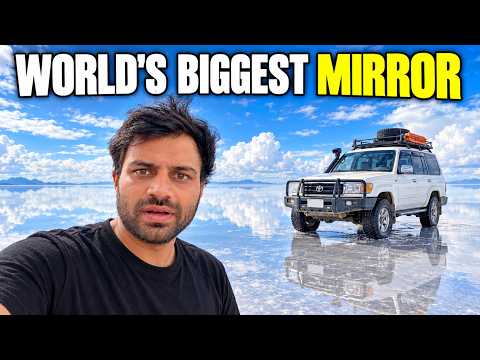
Treat this as a focused one-day 4x4 excursion from Uyuni rather than a multi-day salt-flat tour. Confirm the pickup window in advance; the creator's vehicle arrived at approximately 10:30. Bring warm layers, a windproof jacket, gloves, sunglasses, sunscreen, sturdy footwear, and a face mask for dust. The high-altitude environment can feel cold even when the bright salt surface makes the vehicle warm, and intense UV exposure can cause sunburn quickly. During wet conditions, pack or request rubber boots for the shallow-water sunset area. Keep water, snacks, and any essential medication with you, and allow time to acclimatize at roughly 3,600 metres. A front seat may be available if you are collected first. The salt-flat tour is highly photographic: use the flat perspective for forced-perspective images, while wet sections create mirror reflections. Respect the fragile salt surface, avoid touching the tall cacti, and do not drive independently on the flats.
Itinerary highlights
What is in this plan
Day 1 Uyuni, Colchani & the Central Salt Flats
Use a full-day guided 4x4 route from Uyuni. The sequence follows the source-backed route through Colchani, across the salt crust, to the salt monuments and hotel, then onward to Incahuasi Island and a shallow-water sunset viewpoint. Dry-season access reaches farther into the flats, while the rainy season offers stronger mirror reflections but restricts how far vehicles can travel.
-
UyuniUyuni, Bolivia
Begin at the town-side departure point for the organized Land Cruiser excursion. Confirm the pickup window beforehand and, if collected first, request the front seat for a clearer view across the approach to the flats.
-
ColchaniColchani, Potosí, Bolivia
Make the first salt-flat-area stop at Colchani, the entrance village. Visit the local salt-processing workshop to see wet salt collected, heated, ground, iodized, and packaged. The stop also features salt souvenirs, salt pyramids, salt maps, salt magnets, flavored salts, and salt animal figures.
-
Colchani Salt Processing WorkshopSalt processing workshop, Colchani, Bolivia
At the Colchani salt-processing workshop, observe the local production process rather than treating the stop as only a shopping break. The salt is dried after rainfall, heated to remove water, milled, mixed with iodine, and packaged. Ask before tasting any salt and keep purchases protected from moisture.
-
Salar de UyuniSalar de Uyuni, Daniel Campos Province, Potosí, Bolivia
Enter the main salt crust after Colchani and take time to experience the extreme scale: an almost entirely white horizon at roughly 3,600 metres. The surface can contain shallow, highly saline water after rain, while dry areas expose geometric hexagonal patterns. Wear eye protection and cover exposed skin because the bright surface intensifies glare and UV exposure.
-
Dakar MonumentDakar Monument, Salar de Uyuni, Bolivia
Stop at the Dakar monument, built from salt blocks and salt plaster. It is a distinctive human-made landmark in the middle of the flats and a strong forced-perspective photography subject against the empty white background.
-
Salt HotelSalt Hotel, Salar de Uyuni, Bolivia
Have lunch at the salt hotel area and inspect the salt-built structure. The walls use older, hardened salt blocks with newer salt used as plaster, and the site includes salt-built tables and rooms. Bring a warm layer inside as well as outside; the temperature drops sharply later in the day.
-
Flag Area at Salar de Uyuni Salt HotelFlag area, Salt Hotel, Salar de Uyuni, Bolivia
Walk carefully around the flag area beside the salt hotel. Flags from visiting travelers are exposed to strong wind and may be torn or removed, so treat the display as a temporary visitor installation rather than a permanent monument.
-
Incahuasi IslandIncahuasi Island, Salar de Uyuni, Bolivia
Climb gently at Incahuasi Island, also called Cactus Island, for the strongest elevated panorama of the salt plain. The island is covered with exceptionally tall columnar cacti, some described as several hundred years old. Do not touch or push through the cacti; their spines are dense, and the high-altitude climb can feel strenuous.
-
Salar de Uyuni Sunset PointSunset point, Salar de Uyuni, Bolivia
Finish at the shallow-water sunset area. Change into rubber boots before stepping into the remaining rainwater; the wet surface can produce a mirror effect, but the water is extremely cold and the salt crust is uneven near the edge. Bring your jacket immediately after sunset because temperatures fall quickly and wet boots become especially cold.