

Public travel plan
A One-Day Cultural Walk Through Jodhpur’s Fading Blue City
This source-faithful day focuses only on the blue residential lanes, an Iyer home visit, and Sardar Market experiences described by the creator. The blue lanes are narrow and difficult for cars, so use an auto-rickshaw…
Source videos
Travel inspiration behind this plan
Plan notes
Useful context before you go
This source-faithful day focuses only on the blue residential lanes, an Iyer home visit, and Sardar Market experiences described by the creator. The blue lanes are narrow and difficult for cars, so use an auto-rickshaw to reach the edge of the area and continue on foot. Expect intense heat: carry water, wear a hat and sunglasses, and pause at the market’s free chilled-water stations. Ask permission before photographing homes or entering private courtyards. The described Iyer-house visit costs ₹100 and includes tea and bottled water, with another ₹100 for the rooftop view. Market prices are negotiable; the creator mentions cut mango at about ₹50 per kilogram, bangles commonly around ₹100–₹150, and a brass lock priced at ₹2,500. Keep the day flexible because the creator emphasizes that the blue-painted houses are changing quickly.
Itinerary highlights
What is in this plan
Day 1 — Iyer Agraharam, Blue Lanes & Sardar Market
Start with the residential blue lanes while temperatures are more manageable, then move by auto-rickshaw toward the market area. The creator describes the lanes as extremely narrow, zigzagging, and inaccessible to cars. In the afternoon, explore Sardar Market slowly, taking breaks in the shade and using the free water stations. Confirm current household-visit charges locally, since the source describes them as visitor-access arrangements rather than fixed attraction tickets.
-
Iyer AgraharamIyer Agraharam, Jodhpur, Rajasthan, India
Visit the blue-painted Iyer home described in the source. The visit costs ₹100 and includes tea and a bottled water; a further ₹100 is charged for access to the rooftop view. Ask before photographing domestic spaces and treat the house as a lived-in cultural site rather than a conventional museum.

-
Blue City LanesBlue City Lanes, Jodhpur, Rajasthan, India
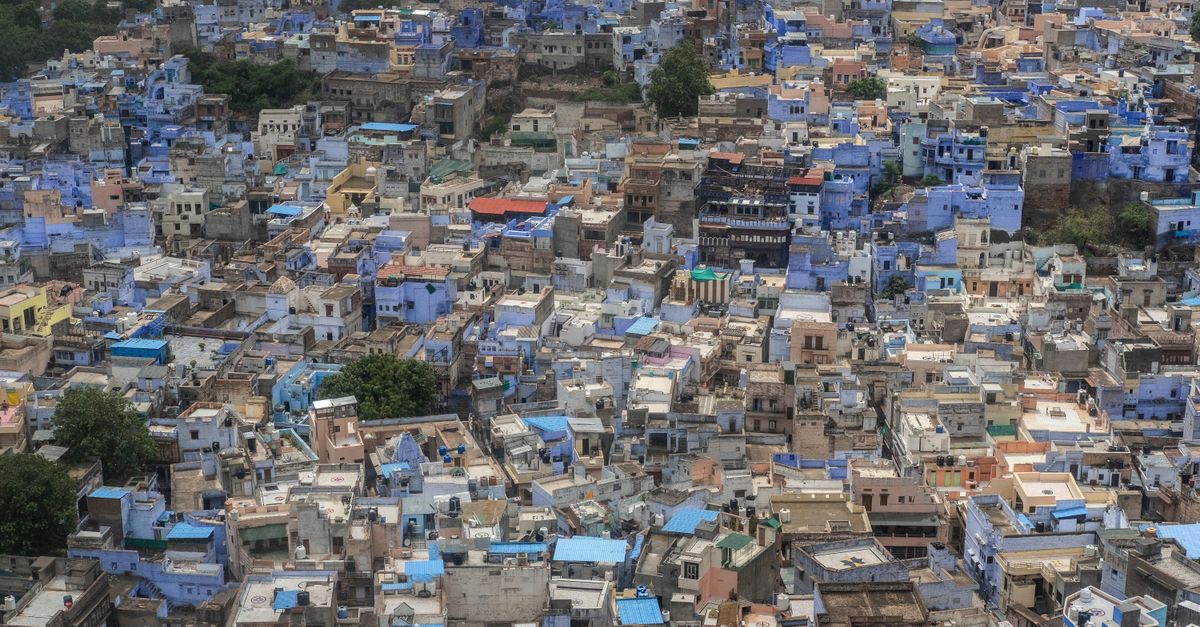
Walk the narrow blue lanes and look closely at the surviving blue-painted facades. The color is presented as both a historic community identifier and a visual connection to Shiva and Vishnu. Keep the route quiet and avoid blocking residents’ doorways.
-
Blue City LanesBlue City Lanes, Jodhpur, Rajasthan, India
Compare the remaining blue homes with newer stone-colored and red-stone buildings. The source explains that repainting and maintenance are costly, so many houses are shifting toward exposed stone or more modern construction. This is a visual record of the neighborhood’s transition, not a separate attraction.
-
Blue City LanesBlue City Lanes, Jodhpur, Rajasthan, India
Spend time on the tight residential passages where the source says films and songs have been shot. The lanes can feel confusing, so do not drive into them; use the auto-rickshaw only to reach the area and explore the final section by foot.
-
Iyer AgraharamIyer Agraharam, Jodhpur, Rajasthan, India
Use an auto-rickshaw to leave the blue-lane area and reach the market side. The source specifically notes that cars cannot enter the narrow passages and that finding the correct entrance by car was difficult.
-
Sardar MarketSardar Market, Jodhpur, Rajasthan, India
Enter Sardar Market, described as roughly 150 years old and established under a Jodhpur ruler. Begin near the clock tower and browse the clothing, footwear, vegetable, spice, jewelry, and household stalls without rushing.
-
Kachori Stall near Jodhpur Bus StandJodhpur Bus Stand, Jodhpur, Rajasthan, India
Stop at the kachori stall near the bus-stand side of the market. The creator initially mistakes the fried item for puri, then tries both a savory version and a sweet version. Treat this as a street-food tasting and carry small change.
-
Sardar MarketSardar Market, Jodhpur, Rajasthan, India
Browse the market’s cut-mango stall, where the fruit is halved, finely cut, and served rather than simply placed in a bag. The source mentions a price of about ₹50 per kilogram; confirm the current rate before buying.
-
Sardar MarketSardar Market, Jodhpur, Rajasthan, India
Look through the bangle stalls, especially the colorful bangles associated in the source with Marwari women and ceremonies. The creator mentions common prices around ₹100–₹150 and demonstrates that bargaining is expected.
-
Sardar MarketSardar Market, Jodhpur, Rajasthan, India
Explore the spice and household-goods stalls for regional ingredients such as turmeric, jaggery, butter-like products, and assorted masalas. The same market section also carries handmade herbal soaps shaped like stones; these are specific examples highlighted by the source.
-
Sardar MarketSardar Market, Jodhpur, Rajasthan, India
Take a heat break at one of the free chilled-water stations described throughout the market. The source also shows a shaded area near a temple with a cooling water spray and air-cooling effect; ask before sitting and leave the space clean.
-
Sardar MarketSardar Market, Jodhpur, Rajasthan, India
Watch the brass-lock demonstration in the market. The lock requires repeated turns and takes approximately ten minutes to open or close; the source quotes ₹2,500 and notes that delivery within India was offered. This is a market craft demonstration, not a required purchase.
-
Sardar MarketSardar Market, Jodhpur, Rajasthan, India
Finish with the market’s dahi vada stall. The preparation is visually unusual, with soaked portions pressed and dressed with yogurt, pepper, and sweet-sour flavors. The source notes that the dish is popular locally but may be an acquired taste, while the juices and sweets nearby were easier for the creator to enjoy.