

Public travel plan
A Walking Historian’s Five-Day Journey Through Sweden’s Unexpected Day Trips
This is an active, history-focused route built around full days of walking, outdoor heritage sites, museums, and local food stops. Wear supportive shoes, carry water and a portable snack, and dress in layers for castle…

Source videos
Travel inspiration behind this plan
 Drottningholm 10K Royal Challenge: How Hard Could It BE? (Spoiler: VERY)
Watch on YouTube
Drottningholm 10K Royal Challenge: How Hard Could It BE? (Spoiler: VERY)
Watch on YouTube
 My World Is Slowly Getting Bigger
Watch on YouTube
My World Is Slowly Getting Bigger
Watch on YouTube
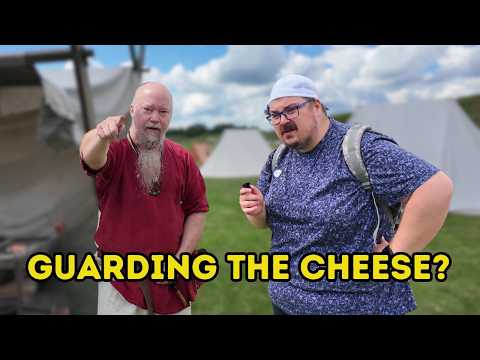 I Asked Vikings What My Job Would Be. Their Answers Surprised Me.
Watch on YouTube
I Asked Vikings What My Job Would Be. Their Answers Surprised Me.
Watch on YouTube
 I Found Sweden’s City of Giants
Watch on YouTube
I Found Sweden’s City of Giants
Watch on YouTube
 I Turned My Weight Loss Into an Adventure
Watch on YouTube
I Turned My Weight Loss Into an Adventure
Watch on YouTube
 Midsummer at Skansen | Swedish Traditions & My Weight Loss Challenge
Watch on YouTube
Midsummer at Skansen | Swedish Traditions & My Weight Loss Challenge
Watch on YouTube
 I Left Stockholm... and Found This
Watch on YouTube
I Left Stockholm... and Found This
Watch on YouTube
 Sweden’s Silver City Really Surprised Me
Watch on YouTube
Sweden’s Silver City Really Surprised Me
Watch on YouTube
Plan notes
Useful context before you go
This is an active, history-focused route built around full days of walking, outdoor heritage sites, museums, and local food stops. Wear supportive shoes, carry water and a portable snack, and dress in layers for castle grounds, open-air museums, and the cold underground mine. Allow extra time for hills, uneven historic surfaces, and long walks between attractions. The route works best at a steady pace, with flexibility to sit and recover whenever needed.
Itinerary highlights
What is in this plan
Day 1 — Royal Grounds and Swedish Traditions in Stockholm
Use this as a high-step Stockholm day. The royal gardens and Skansen both reward a patient pace, with benches and cultural stops breaking up the walking. Seasonal programming matters at Skansen, so the maypole celebration is best treated as an event-specific experience.
-
Drottningholm Palace GardensDrottningholm Palace Gardens, Drottningholm, Sweden
Begin with the palace grounds and build distance gradually through the formal gardens. The broad paths and historic setting make this a strong opening walk before tackling the more demanding sections.
-
Chinese PavilionChinese Pavilion, Drottningholm, Sweden
Make the Chinese Pavilion a specific walking milestone. Expect an incline on the approach, so use it as a measured challenge rather than rushing the route.
-
Skansen FunicularSkansen Funicular, Stockholm, Sweden
Ride the historic funicular for a brief change of pace and elevated views before exploring the open-air museum. It dates to 1897 and reaches the top in about two minutes.
-
Skansen Midsummer MaypoleSkansen Midsummer Maypole, Stockholm, Sweden
Join the traditional ring dances around the maypole when the Midsummer celebration is taking place. The atmosphere is participatory, with children and adults joining the frog and rocket dances.
-
Skansen Midsummer MarketSkansen Midsummer Market, Stockholm, Sweden
Browse the market for Swedish textiles, handmade jewelry, utensils, glasswork, and Northern Sami designs. It is a good place to choose a small craft rather than adding another large object to your luggage.
-
Skansen Midsummer MarketSkansen Midsummer Market, Stockholm, Sweden
Walk through the historic farmhouses, country homes, and city dwellings assembled at Skansen. The sequence gives a compact, walkable overview of Swedish life across several centuries.
-
Skansen Gift ShopSkansen Gift Shop, Stockholm, Sweden
Finish with a browse through the museum shop for Swedish souvenirs and crafts. Set a spending limit before entering if you want the stop to remain a light finish to a long walking day.
Day 2 — Gripsholm Castle and Slow Mariefred
Treat Mariefred as a gentle castle-and-town walking day. The lake setting, quiet streets, and small shops create natural pauses between the main historical visit and the return journey.
-
Gripsholm CastleGripsholm Castle, Mariefred, Sweden
Explore the fortress architecture, royal rooms, cannons, theater, and unusual lion statue inside this nearly 500-year-old castle. Allow time for the interiors rather than treating it as a quick exterior photo stop.
-
Gripsholm Castle GroundsGripsholm Castle Grounds, Mariefred, Sweden
Take a quiet recovery walk around the castle grounds beside the lake. The ducks, trees, water, and benches make this the best place in Mariefred to slow down after the interior visit.
-
Mariefred Fossil and Gemstone ShopMariefred Fossil and Gemstone Shop, Mariefred, Sweden
Browse the highly unusual collection of fossils, minerals, gemstones, and large prehistoric specimens, including a mammoth leg and mosasaurus jaw. It is a memorable small-town stop for anyone interested in natural history.
-
MariefredMariefred, Sweden
Wander the colorful historic streets and lakefront parks at an unhurried pace. Look for boats, flowers, timbered houses, and cobblestones rather than trying to cover the town quickly.
Day 3 — Ancient Mounds and Living Viking Culture near Uppsala
This is the most physically active heritage day. The mounds and festival grounds are outdoors, so plan for uneven walking, weather exposure, and time to browse rather than concentrating every activity into one rush.
-
HågahögenHågahögen, Uppsala, Sweden
Walk over the ancient royal burial mounds and take the scenic route around the site. The mound is Bronze Age rather than the burial place of the Viking king associated with its popular name, which makes the archaeological reality part of the experience.
-
Gamla Uppsala Viking Festival MarketGamla Uppsala Viking Festival Market, Uppsala, Sweden
Explore the historic festival market for jewelry, leather goods, handmade tools, and clothing. It is especially rewarding for travelers who want tangible craft traditions rather than only museum displays.
-
Gamla UppsalaGamla Uppsala, Uppsala, Sweden
Use the site to understand Gamla Uppsala as a Viking Age community, trading center, royal gathering place, and place connected with sacrifice. The historical setting is more important than treating the visit as a single photo stop.
-
Gamla Uppsala Viking Festival Food StallsGamla Uppsala Viking Festival Food Stalls, Uppsala, Sweden
Try the historically inspired festival food when available. The deer kebab leads naturally into a discussion of Viking-era staples such as porridge, dried fish, grain, and using every part of an animal.
-
Gamla Uppsala Viking Festival FieldGamla Uppsala Viking Festival Field, Uppsala, Sweden
Join the tug-of-war only if the conditions and your energy level make it comfortable. It is a playful way to participate in the festival rather than simply watching the reenactors.
-
Gamla Uppsala Viking FestivalGamla Uppsala Viking Festival, Uppsala, Sweden
Allow a final slow circuit of the festival’s intimate craft displays, including leatherwork, textiles, replicas, and recreated jewelry. The smaller scale makes it easier to speak with makers and inspect details.
Day 4 — Sala’s Silver-Mining Heritage
Build the day around the mine tour and keep the surface-town discoveries flexible. The underground section is cold, narrow, steep, and physically demanding; wear warm layers and leave room for a substantial recovery stop afterward.
-
SalaSala, Sweden
Start by understanding Sala as Sweden’s Silver City before heading to the mine. The town’s quiet character and silver-mining identity are best appreciated on foot.
-
Independent Bookstore in SalaIndependent Bookstore, Sala, Sweden
Browse the unusually broad selection of Swedish novels, music, cookbooks, fantasy, manga, and comics. This is a worthwhile stop for literary souvenirs and a slower indoor break.
-
Record and Video Store in SalaRecord and Video Store, Sala, Sweden
Look through the vinyl records, soundtracks, and DVDs at this record and video shop. It adds a strong pop-culture counterpoint to Sala’s industrial history.
-
Sala ParkSala Park, Sala, Sweden
Take a quiet pause beside the water, white bridges, lilies, and ducks before continuing. The park is a useful reset before the more demanding mine visit.
-
Johansons CafeJohansons Cafe, Sala, Sweden
Stop at this long-running cafe for freshly baked food, coffee, a chicken sandwich, and a pistachio-almond dessert. It is a practical lunch before the colder and more strenuous underground section.
-
Sala SilvergruvaSala Silvergruva, Sala, Sweden
Explore the surface site first, where almost 50 historic buildings, mining mechanisms, and a reconstructed mining village explain the operation before you descend.
-
Sala Silvergruva Deep ShaftSala Silvergruva Deep Shaft, Sala, Sweden
Look into the mine’s deepest shaft, which drops more than 300 meters. If you are sensitive to heights, take the viewing point slowly and keep this separate from the narrow underground walking section.
-
Sala Silvergruva Underground MineSala Silvergruva Underground Mine, Sala, Sweden
Bring a warm extra layer: the underground mine is about 2°C, with narrow passages, steep stairs, safety equipment, and large chambers. This is the day’s most physically demanding activity.
-
Sala Silvergruva Mine Restaurant and Gift ShopSala Silvergruva Mine Restaurant and Gift Shop, Sala, Sweden
Recover with Swedish food at the mine restaurant, where meatballs, pancakes, and ice cream provide a substantial finish. Browse the gift shop afterward for a small rock souvenir.
Day 5 — Giants, Ironworks, and European Bison in Avesta
Avesta is a full day of unusual, spread-out sights. Group the town’s industrial and historic stops first, then leave the bison park and Döda Fallen for the countryside portion. Expect outdoor walking and allow time to pause between the larger attractions.
-
Avesta DalahästAvesta Dalahäst, Avesta, Sweden
Start beneath Avesta’s enormous Dala horse, described as the world’s biggest. It is an immediate, unmistakable introduction to the city’s oversized attractions.
-
Gamla BynGamla Byn, Avesta, Sweden
Walk through the oldest part of Avesta, where centuries-old homes reflect the copper industry that shaped the city. Keep the pace slow enough to notice the lived-in character of the neighborhood.
-
VerketVerket, Avesta, Sweden
Explore the former ironworks through blast furnaces, industrial structures, glass art, projections, and sound installations. This is the most immersive museum stop on the Avesta route.
-
Avesta MyntmuseumAvesta Myntmuseum, Avesta, Sweden
See the enormous 20-kilogram copper coin at this museum when it is open. Check seasonal opening information before making it a fixed part of the day, as availability can vary.
-
Döda FallenDöda Fallen, Avesta, Sweden
Walk the dry riverbed and waterfall landscape left behind when the Dalälven River changed course thousands of years ago. The unusual absence of flowing water is the defining feature, so allow time to take in the scale of the exposed geology.
-
Avesta VisentparkAvesta Visentpark, Avesta, Sweden
Visit the conservation park to observe European bison, including calves and larger herds. Use the visit to learn about the effort to restore these animals rather than treating it as a conventional zoo stop.
-
Avesta Visentpark CafeAvesta Visentpark Cafe, Avesta, Sweden
Finish at the park cafe with the unusual option of bison grilled cheese, or choose a waffle with jam for something sweeter. The setting overlooking the conservation grounds makes this a natural end to the route.