

Public travel plan
Rome in Layers: A Four-Day Cultural History Walk
This is a compact, culture-first Rome itinerary for a traveler who wants to understand the stories behind the landmarks rather than simply check them off. Base yourself in the Historic Center between Piazza Navona and C…

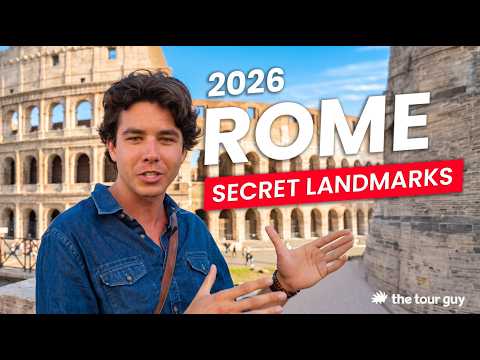
Source videos
Travel inspiration behind this plan
Plan notes
Useful context before you go
This is a compact, culture-first Rome itinerary for a traveler who wants to understand the stories behind the landmarks rather than simply check them off. Base yourself in the Historic Center between Piazza Navona and Campo de' Fiori for maximum walkability, or choose Monti for a balance of ancient sites, neighborhood atmosphere, coffee shops, wine bars, and independent boutiques. Rome's cobblestones, hills, traffic, and July heat make comfortable footwear essential. Start major landmarks early or late in the day, especially Piazza Navona and the Trevi Fountain. Avoid eating directly on major squares when possible, where prices are often inflated. If using Prati for Vatican access, Otaviano on Metro Line A is about a 10-minute walk from the Vatican Museums; Termini is practical for an early train, late arrival, or tight budget but is primarily a transit zone. Consider booking the Colosseum and Roman Forum tour and Pantheon experience through the supplied travel resources.
Resources for this plan
Shared by the source creators. These are not VibePlanit endorsements and may be affiliate links.
View Rome hotels · the tour guy ↗ Creator link · may be an affiliate link
Browse Rome tours · the tour guy ↗ Creator link · may be an affiliate link
Itinerary highlights
What is in this plan
Day 1: Postcard Rome and Baroque Water
Stay in or near the Historic Center and explore the most walkable concentration of landmarks. Visit Piazza Navona early or late, then move through the Pantheon and Trevi Fountain. The central area is convenient but restaurants directly on major squares can be overpriced.
-
Spanish StepsSpanish Steps, Piazza di Spagna, Rome, Italy
Begin at the Spanish Steps, a historic meeting place funded by the French and associated with artists, writers, and John Keats. Treat the steps as a place to pause and observe city life rather than only a photo stop.
-
Trevi FountainTrevi Fountain, Piazza di Trevi, Rome, Italy
Study the Trevi Fountain as an aqueduct terminus and celebration of Roman water engineering. The one-coin return tradition is recent, and collected coins are donated to charity.
-
PantheonPantheon, Piazza della Rotonda, Rome, Italy
Look up into the Pantheon's dome and notice the oculus, graduated concrete, and floor drainage. The building has served as a Roman temple, Christian church, royal tomb, and Raphael's burial place.
-
Rome City CentrePiazza Navona, Rome, Italy
Read Piazza Navona as both a Baroque square and the footprint of an ancient stadium. Focus on Bernini's Fountain of the Four Rivers and Borromini's Sant'Agnese in Agone.
-
Fountain of the Four RiversFontana dei Quattro Fiumi, Piazza Navona, Rome, Italy
See the Four Rivers Fountain as engineering disguised as theater: the Danube, Ganges, Nile, and Rio de la Plata frame an obelisk over apparently hollow rock.
-
Campo de' FioriCampo de' Fiori, Rome, Italy
Use Campo de' Fiori as a day-to-night contrast: it is described as one of Rome's famous markets, an afternoon aperitivo setting, and a lively evening square. Stay nearby if you want central access, but dine away from the square itself.

Day 2: Ancient Rome's Civic Heart
Base this day in Monti or the Historic Center for access to the Colosseum, Roman Forum, and surrounding ancient sites. A guided Colosseum and Roman Forum experience is especially suitable for understanding the layers rather than merely viewing ruins.
-
Roman ForumRoman Forum, Via della Salara Vecchia, Rome, Italy
Enter the Roman Forum as ancient Rome's downtown: a place for work, shopping, worship, speeches, celebrations, and gossip. Look for the remains of temples, government buildings, and public spaces.
-
Temple of SaturnTemple of Saturn, Roman Forum, Rome, Italy
Find the Temple of Saturn within the Forum and connect it to the ancient treasury. It is one of the tangible reminders that the Forum combined finance, politics, religion, and everyday urban life.
-
Curia JuliaCuria Julia, Roman Forum, Rome, Italy
Pause at the Curia Julia, identified as the Senate House, and imagine the Forum as a functioning political center rather than a disconnected field of ruins.
-
Temple of CaesarTemple of Caesar, Roman Forum, Rome, Italy
Visit the Temple of Caesar and the location where flowers are still left for Julius Caesar. This is a useful place to experience how historical memory remains physically present in the Forum.
-
Colosseum, RomeColosseum, Rome, Italy
Read the Colosseum as a public project after civil war: a free entertainment venue for ordinary Romans, with numbered seating, social divisions, and room for roughly 50,000 spectators.
-
Colosseum ValleyValley of the Colosseum, Piazza del Colosseo, Rome, Italy
Look toward the Colosseum's former site of Nero's private lake and consider the Flavian message that the land was being returned to the people. This context makes the building's political purpose clearer.
Day 3: Monti and the Neighborhood Between Sites
Use Monti as the accommodation base or as a slower neighborhood day after the ancient sites. The area offers coffee shops, small restaurants, wine bars, independent boutiques, and a village-within-the-city atmosphere. Favor the area around Piazza della Madonna dei Monti for evening energy, or Via Cavour for easier Metro and Termini connections.
-
MontiMonti, Rome, Italy
Spend time in Monti after visiting the Colosseum and Roman Forum. It is close to the ancient sites but feels less processed by tourism, making it a practical place for lunch, coffee, and an unhurried wander.
-
Piazza della Madonna dei MontiPiazza della Madonna dei Monti, Rome, Italy
Use Piazza della Madonna dei Monti as the neighborhood's evening anchor. It provides the stronger local atmosphere and evening energy described for Monti.
-
Via CavourVia Cavour, Rome, Italy
Walk along Via Cavour to understand Monti's more connected edge. This side offers easier access to the metro and Termini connections, though it is busier and less intimate than the central lanes.
-
Via del BoschettoVia del Boschetto, Monti, Rome, Italy
Explore Monti's independent boutiques as part of the neighborhood's present-day identity. The recommendation is to experience the area between major historical visits, not treat it as another checklist landmark.
-
Via degli AnnibaldiVia degli Annibaldi, Monti, Rome, Italy
Use the Colosseum-facing edge of Monti for a neighborhood-to-history connection: it is close enough to walk into the ancient sites, then return to smaller restaurants and coffee shops.
-
Via dei SerpentiVia dei Serpenti, Monti, Rome, Italy
Finish with a Monti wine bar or small restaurant away from the major squares. This is the neighborhood's main strength: atmosphere and food without the constant feeling of being processed through the tourist machine.
Day 4: Choosing Rome's Practical and Polished Sides
Use the final day to compare Rome's distinct accommodation and city moods: polished Spanish Steps and Piazza del Popolo, practical Prati near the Vatican, lively Trastevere, and the transport-focused Termini area. These are useful neighborhoods to walk through even if you do not stay there.
-
Piazza del PopoloPiazza del Popolo, Rome, Italy
Walk through the area around Piazza del Popolo for polished Rome: major hotels, designer shopping, rooftop bars, and a more spacious alternative to staying directly beside the Spanish Steps.
-
Via MarguttaVia Margutta, Rome, Italy
Use Via Margutta as the quieter polished option between the Spanish Steps, Piazza del Popolo, and Villa Borghese. It offers location and breathing room with less human traffic.
-
PratiPrati, Rome, Italy
Explore Prati as a calmer, wider-street alternative near Vatican City. It is described as cleaner, more practical, and often better value for space than the Historic Center.
-
Ottaviano Metro StationOttaviano Metro Station, Rome, Italy
Use Ottaviano Metro station as the practical gateway to the Vatican Museums. It is on Line A and approximately a 10-minute walk from the museum entrance.
-
TrastevereTrastevere, Rome, Italy
Choose Trastevere for late-night restaurants, bars, piazzas, and a strong neighborhood pulse. The northern edge near the bridges is presented as the best compromise between atmosphere, access, and avoiding the loudest nightlife core.
-
Leonardo ExpressLeonardo Express, Roma Termini, Rome, Italy
Inspect the Termini area only if transport, budget, an early train, or a late arrival is your priority. Staying closer to Santa Maria Maggiore and the edge of Monti is described as safer and more appealing than staying immediately around the station.