

Public travel plan
The Slow Italian Explorer: 18 Days of Art, Food, Villages and Alpine Hidden Gems
You are a slow-travel cultural explorer with a strong food, history and hidden-gem mission. Travel in spring or fall when possible; avoid Rome in July and August because of heat and crowds. Pack sturdy shoes for Roman c…

Source videos
Travel inspiration behind this plan
 Top 10 Things to Avoid When Visiting Rome | Rome Travel Guide | The World Traveler
Watch on YouTube
Top 10 Things to Avoid When Visiting Rome | Rome Travel Guide | The World Traveler
Watch on YouTube
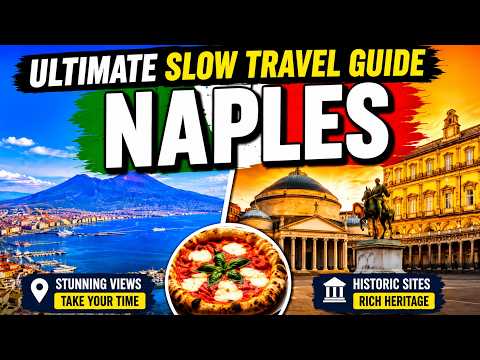 Ultimate Slow Travel Guide to Naples, Italy 🇮🇹 Food, History & Hidden Gems | Worldly Traveler
Watch on YouTube
Ultimate Slow Travel Guide to Naples, Italy 🇮🇹 Food, History & Hidden Gems | Worldly Traveler
Watch on YouTube
 Rome vs Florence vs Venice | Italy Travel Guide | Ultimate Travel Comparison | The World Traveler
Watch on YouTube
Rome vs Florence vs Venice | Italy Travel Guide | Ultimate Travel Comparison | The World Traveler
Watch on YouTube
 $50 a Day in Rome vs $50 a Day in Florence💸| Italy on a Budget | The World Traveler
Watch on YouTube
$50 a Day in Rome vs $50 a Day in Florence💸| Italy on a Budget | The World Traveler
Watch on YouTube
 Tuscany vs Umbria | Cost, Food & Hidden Gems Exposed | Worldly Traveler
Watch on YouTube
Tuscany vs Umbria | Cost, Food & Hidden Gems Exposed | Worldly Traveler
Watch on YouTube
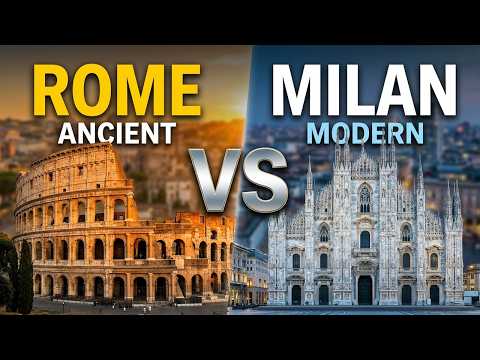 Rome vs. Milan Exposed Which Italian City Wins? | Italy Travel | Worldly Traveler
Watch on YouTube
Rome vs. Milan Exposed Which Italian City Wins? | Italy Travel | Worldly Traveler
Watch on YouTube
 25 Hidden Gems in the Dolomites, Italy 🇮🇹 | Secret Places in the Italian Alps | The World Traveler
Watch on YouTube
25 Hidden Gems in the Dolomites, Italy 🇮🇹 | Secret Places in the Italian Alps | The World Traveler
Watch on YouTube
 25 Secret Italian Medieval Villages | Hidden Gems in Italy | The World Traveler
Watch on YouTube
25 Secret Italian Medieval Villages | Hidden Gems in Italy | The World Traveler
Watch on YouTube
Plan notes
Useful context before you go
You are a slow-travel cultural explorer with a strong food, history and hidden-gem mission. Travel in spring or fall when possible; avoid Rome in July and August because of heat and crowds. Pack sturdy shoes for Roman cobblestones, hill towns and Dolomite trails, modest clothing for churches, a reusable water bottle, a cross-body bag, and offline maps. Book the Colosseum, Vatican Museums, Uffizi Gallery, Accademia Gallery, Last Supper and popular regional trains in advance. Use official white taxis, licensed transport and validated transit tickets; be alert for bracelet scams, fake petitions, ATM helpers, pickpockets and automatic restaurant coperto or service charges. Eat where handwritten menus and local diners are visible, drink espresso standing at the bar, and favor slow neighborhood meals over an overpacked schedule. The route prioritizes affordable Florence, Rome's free public spaces, Naples's value, Umbrian B&Bs and village stays, while allowing enough time for scenic detours. In the Dolomites, bring layered clothing, sturdy footwear and offline GPS tracks; check weather, trail access and mountain-hut reservations before hiking.
Itinerary highlights
What is in this plan
Days 1-3 Rome: Ancient Core and Local Neighborhoods
Base yourself in Monti, Prati, Trastevere or Aventino rather than directly beside the busiest monuments. Use a three-line metro, buses and trams, validating tickets bought at kiosks or tobacco shops. Reserve major sights instead of relying on free-entry days, and leave unstructured time for piazzas, espresso and neighborhood wandering.
-
Colosseum, RomeColosseum, Rome, Italy
Start early and reserve timed admission rather than visiting on a free day. The combination ticket covers the Colosseum, Roman Forum and Palatine Hill; sturdy shoes help on uneven ancient surfaces.
Watch the source moment on YouTube ↗ -
Roman ForumRoman Forum, Via della Salara Vecchia, Rome, Italy
Walk through the Forum and Palatine Hill after the amphitheater while your ticket is active. Allow time to absorb the ruins rather than racing between monuments.
Watch the source moment on YouTube ↗ -
PantheonPantheon, Piazza della Rotonda, Rome, Italy
Visit the Pantheon early, then pause at a nearby bar for a standing espresso. A quick coffee should be inexpensive at the bar; sitting down costs more.
Watch the source moment on YouTube ↗ -
Trevi FountainTrevi Fountain, Piazza di Trevi, Rome, Italy
Visit at a quieter hour, admire the Baroque sculpture and toss a coin only if you enjoy the tradition. Expect crowds around the fountain and keep valuables close.
Watch the source moment on YouTube ↗ -
Vatican MuseumsVatican Museums, Viale Vaticano, Vatican City
Reserve the Vatican Museums and arrive early or late afternoon. Dress shoulders and knees conservatively for St. Peter's Basilica and remember that the Sistine Chapel is inside the museum route.
Watch the source moment on YouTube ↗ -
TrastevereTrastevere, Rome, Italy
Spend an unhurried evening sampling carbonara, amatriciana, cacio e pepe and thin Roman pizza. Trastevere is ideal for aperitivo, trattorias and a relaxed night walk.
Watch the source moment on YouTube ↗
Days 4-6 Florence and Tuscan Art
Florence is the most efficient city for a slower cultural stay: most major sights are within a short walk and the center is largely pedestrianized. Stay in a guesthouse or B&B, reserve timed museum entries, and use Florence as the rail base for Pisa or Lucca if desired.
-
Uffizi GalleryUffizi Gallery, Florence, Italy
Reserve a timed entry and focus on Botticelli's Birth of Venus and the Renaissance collection. Go early or late to preserve a relaxed pace.
Watch the source moment on YouTube ↗ -
Galleria dell'AccademiaGalleria dell'Accademia, Florence, Italy
Book a timed visit to Michelangelo's David and avoid adding another major museum immediately afterward; the compact city rewards lingering in nearby streets.
Watch the source moment on YouTube ↗ -
Cathedral of Santa Maria del FiorePiazza del Duomo, 50122 Firenze FI, Italy
Climb or tour the cathedral complex for Brunelleschi's dome and the marble facade. Reserve the dome separately and dress appropriately for the religious interior.
Watch the source moment on YouTube ↗ -
Ponte VecchioPonte Vecchio, Florence, Italy
Cross the historic bridge, browse its jewelry shops, then continue into Oltrarno for a less formal neighborhood atmosphere.
Watch the source moment on YouTube ↗ -
Boboli GardensBoboli Gardens, Piazza de' Pitti, Florence, Italy
Explore the gardens at a measured pace and pair the visit with Oltrarno wine bars. This is a good reset after the dense museum schedule.
Watch the source moment on YouTube ↗ -
Mercato Centrale FirenzeMercato Centrale Firenze, Piazza del Mercato Centrale, Florence, Italy
Shop for small leather goods and bargain carefully, then try ribollita, pappa al pomodoro, bistecca alla fiorentina, pecorino and Chianti. Nerbone is a useful stop for a traditional lampredotto sandwich.
Watch the source moment on YouTube ↗
Days 7-9 Tuscany and Umbria Villages
Collect a rental car for the hill-town portion because Umbrian villages and countryside are slower by public transport. Roads can be narrow and winding. Use agriturismos or family-run B&Bs, and build each day around one principal village, one food stop and one landscape.
-
Pienza Historic CentrePienza Historic Centre, Pienza, Italy
Walk the Renaissance piazzas and look across the Val d'Orcia. Pienza is especially rewarding in late afternoon when the surrounding fields turn warm gold.
Watch the source moment on YouTube ↗ -
MontefioralleMontefioralle, Greve in Chianti, Italy
Stop for pecorino, bread and Chianti in this tiny wine-country hamlet. A cellar tasting or small producer visit fits the slower rhythm better than a rushed winery circuit.
Watch the source moment on YouTube ↗ -
Civita di BagnoregioCivita di Bagnoregio, Bagnoregio, Italy
Cross the slender footbridge and explore the medieval lanes, flowers and small trattorias. Arrive before midday for a calmer approach and photograph the town from the bridge.
Watch the source moment on YouTube ↗ -
Pitigliano Historic CentrePitigliano Historic Centre, Pitigliano, Italy
Explore the cliffside medieval streets and Jewish heritage, including the historic quarter and surviving religious traces. The town is atmospheric at dusk, when the rock walls catch warm light.
Watch the source moment on YouTube ↗ -
Basilica of Saint Francis of AssisiBasilica of Saint Francis of Assisi, Piazza Inferiore di San Francesco, Assisi, Italy
Use Assisi as an intimate spiritual and artistic stop. Study Giotto's frescoes in the basilica, then give yourself time to walk the quieter upper streets.
Watch the source moment on YouTube ↗ -
Lake TrasimenoLake Trasimeno, Passignano sul Trasimeno, Italy
Choose one hands-on Umbrian experience: a truffle hunt, pottery in Deruta, olive-grove cycling near Spello, or an early kayak on Lake Trasimeno. Reserve specialist activities ahead.
Watch the source moment on YouTube ↗
Days 10-12 Naples: Food, Layers of History and Coast
Slow down in Naples with a central base and flexible afternoons. Use the metro and funiculars, keep bags zipped in crowded areas, and start day trips early. Sunday is well suited to a long family-style lunch. Carry a refillable bottle because public fountains are common.
-
Naples National Archaeological MuseumNaples National Archaeological Museum, Piazza Museo, Naples, Italy
Spend several hours with the Pompeii and Herculaneum artifacts before visiting the ruins themselves. The collection gives essential context for the eruption and ancient daily life.
Watch the source moment on YouTube ↗ -
Church of Gesù NuovoChurch of Gesù Nuovo, Piazza del Gesù Nuovo, Naples, Italy
Walk the UNESCO-listed center and enter Gesù Nuovo to see its unusual facade and ornate interior. Explore slowly through the layered lanes rather than treating the center as a checklist.
Watch the source moment on YouTube ↗ -
Via San Gregorio ArmenoVia San Gregorio Armeno, Naples, Italy
Follow the narrow street through the historic center, then browse the workshops producing handmade nativity figures. Visit Napoli Sotterranea separately with its guided underground route and aqueduct stories.
Watch the source moment on YouTube ↗ -
L'Antica Pizzeria da MicheleL'Antica Pizzeria da Michele, Via Cesare Sersale, Naples, Italy
Compare the original-style Margherita at these two celebrated pizzerias. Expect queues, so go early or choose a relaxed lunch rather than trying to visit both at peak dinner time.
Watch the source moment on YouTube ↗ -
Gran Caffè GambrinusGran Caffè Gambrinus, Via Chiaia, Naples, Italy
Enjoy espresso standing at the bar, traditionally with a glass of water. This historic cafe is best treated as a short ritual between walks, not a long expensive sit-down stop.
Watch the source moment on YouTube ↗ -
Castel dell'OvoCastel dell'Ovo, Via Eldorado, Naples, Italy
Take a slow waterfront walk around the fortress and continue into Chiaia for sea views. The site is tied to local legend and works well as a lower-intensity afternoon.
Watch the source moment on YouTube ↗
Days 13-15 Venice and Northern Italy
Use Venice as a compact three-day water-and-walking base, with an offline map downloaded before arrival. Vaporetto tickets are expensive for single rides, so group boat journeys efficiently. Early mornings and back canals provide the most atmospheric experience.
-
St Mark's BasilicaSt Mark's Basilica, Piazza San Marco, Venice, Italy
Arrive early to see the basilica before the square becomes crowded. Cover shoulders and knees, and allow time to study the mosaics and facade details.
Watch the source moment on YouTube ↗ -
Doge's PalaceDoge's Palace, Piazza San Marco, Venice, Italy
Pair the palace with its historic prison connection and bridge views. Reserve if available, then retreat into quieter lanes afterward instead of staying around the square all afternoon.
Watch the source moment on YouTube ↗ -
Rialto BridgeRialto Bridge, Venice, Italy
Cross the bridge early, then use the surrounding lanes for small bakeries, cicchetti and quieter photo angles. A vaporetto ride is useful when moving between distant sestieri.
Watch the source moment on YouTube ↗ -
BuranoBurano, Venice, Italy
Visit for colorful houses, lace traditions and a slower island atmosphere. Go by vaporetto and leave enough time to walk beyond the first waterfront cluster.
Watch the source moment on YouTube ↗ -
CannaregioCannaregio, Venice, Italy
Explore the quieter northern district on foot, looking for bacari and back canals. This is the place to slow down, snack informally and observe everyday Venetian life.
Watch the source moment on YouTube ↗ -
Piazza San MarcoPiazza San Marco, Venice, Italy
Try risotto al nero di seppia, sardine saor, seafood pasta and cicchetti, with a Bellini or Prosecco. A canal-side bacaro is more atmospheric and usually better value than lingering over coffee in St. Mark's Square.
Watch the source moment on YouTube ↗
Days 16-18 Dolomites: Lakes, Valleys and Mountain History
Rent a car or arrange local mountain transport for this phase; the valleys are spread out and several trailheads have limited service. Start lake and plateau visits at dawn, use sturdy shoes, check wind and rain before exposed hikes, download GPS tracks for lesser-marked trails, and reserve mountain huts. This phase is for scenery, wildlife, geology and quiet rather than collecting every viewpoint.
-
Lago di BraiesLago di Braies, Braies, Italy
Arrive at sunrise for glassy reflections and fewer visitors. Walk the eastern-shore forest paths for quieter coves and keep the visit unhurried.
Watch the source moment on YouTube ↗ -
Val di FunesVal di Funes, Funes, Italy
Walk the valley beneath the Odle peaks and photograph the Church of Saint Magdalena with the meadows and farmhouses. Keep voices low near village homes and use marked paths.
Watch the source moment on YouTube ↗ -
Seceda RidgelineSeceda Ridgeline, Ortisei, Italy
Take the lift or trail to the ridgeline and stay well back from exposed edges. Avoid the ridge in wet or windy weather and carry layers even in summer.
Watch the source moment on YouTube ↗ -
Passo GiauPasso Giau, Colle Santa Lucia, Italy
Use the marked path from the main parking area to the overlooked bunker, then combine the stop with the pass's broad mountain views. Do not enter unstable structures.
Watch the source moment on YouTube ↗ -
Val FiscalinaVal Fiscalina, Sesto, Italy
Choose a moderate hike through the valley for wildflowers and wildlife. Late June through July is especially good for alpine blooms; carry water and stay on established trails.
Watch the source moment on YouTube ↗ -
Bletterbach CanyonBletterbach Canyon, Aldino, Italy
Finish with a geological walk into the canyon; sturdy shoes are essential and a guided tour adds context about fossils, rock layers and mineral bands. Reserve ahead if visiting in a busy period.
Watch the source moment on YouTube ↗