

Public travel plan
The South Island Wilderness Road Trip: Quiet Roads, Wild Coasts and Alpine Walks
This plan is designed for a self-drive wilderness explorer who wants to look beyond the standard Christchurch–Lake Tekapo–Aoraki Mount Cook–Queenstown–Wanaka–Milford Sound circuit. Allow at least 25% more time than Goog…
Source videos
Travel inspiration behind this plan
Plan notes
Useful context before you go
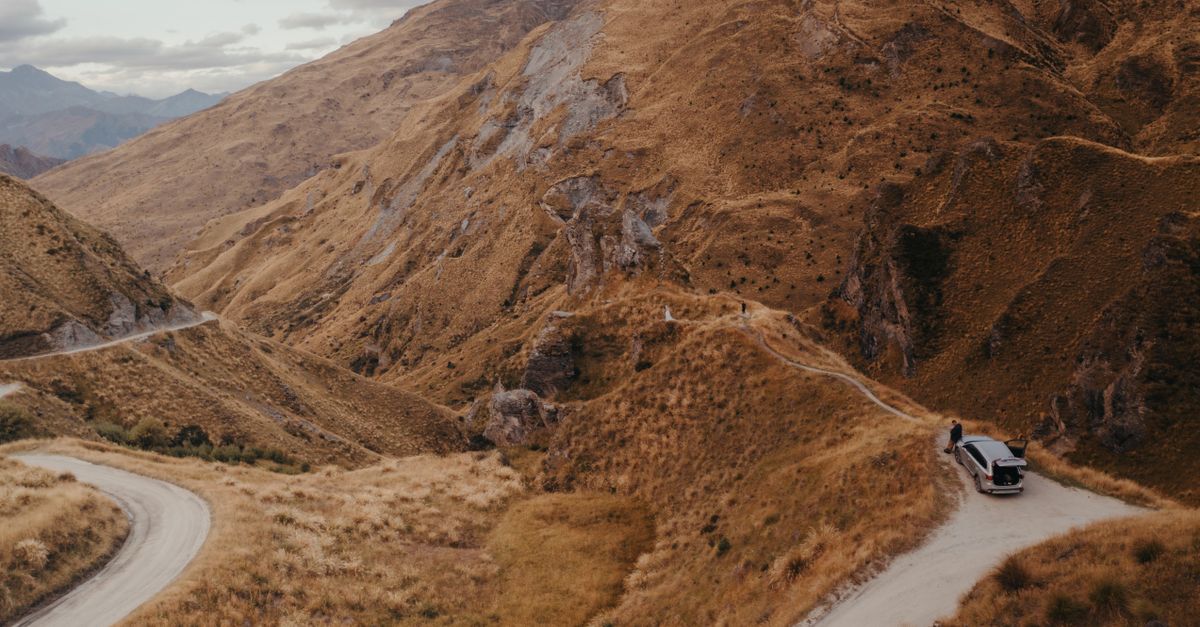
This plan is designed for a self-drive wilderness explorer who wants to look beyond the standard Christchurch–Lake Tekapo–Aoraki Mount Cook–Queenstown–Wanaka–Milford Sound circuit. Allow at least 25% more time than Google Maps suggests because many roads are single-lane, scenic, and worth stopping on. Build flexibility around weather rather than locking every activity to a specific day. Use MetService and its three- and five-day rain radar instead of relying solely on Apple Weather, particularly before mountain walks. The West Coast is wetter, but rain can make its waterfalls and rainforest especially dramatic; areas east of the Southern Alps are generally drier, while Nelson is described as the sunniest region. October, March, April and May offer fewer crowds, and winter brings snow-covered mountains but can close backcountry huts and tracks. If traveling in summer, start famous sights early, but do not assume a pre-dawn start solves the crowds at Roy's Peak. Pack layered waterproof clothing, sturdy footwear, sun protection, sunscreen, a hat, offline maps, food and water for remote stretches, and a camera with spare batteries. Check Department of Conservation track, hut and booking information before attempting any backcountry route. The newsletter link is not treated as a travel booking resource.
Itinerary highlights
What is in this plan
Days 1-3: Kaikoura and Nelson's Sunnier North
Use this northern opening to avoid following only the standard South Island route. Kaikoura is especially worthwhile when whale watching is operating, while Nelson is noted for having some of the country's sunniest weather. Keep whale-watching plans weather-flexible and allow extra time on the road for coastal stops.
-
KaikouraKaikoura, Canterbury, New Zealand
Use Kaikoura as the coastal base for whale watching when conditions and the season are suitable. The surrounding views are a major reason to include this detour, but confirm tour operation and sea conditions before committing.

-
NelsonNelson, New Zealand
Spend time in Nelson rather than treating it as a pass-through. Its reputation as the sunniest part of New Zealand makes it a useful weather buffer for outdoor plans.
-
Wharariki BeachWharariki Beach, Puponga, New Zealand
Visit Wharariki Beach for its distinctive rock arches and open coastal scenery. Keep this as a dedicated stop rather than squeezing it between too many long drives.
-
NelsonNelson, New Zealand
Treat the route into and around Nelson as a scenic driving phase, leaving room for unscheduled roadside photography rather than using the shortest possible travel time.
-
KaikouraKaikoura, Canterbury, New Zealand
Use this northern coastal stop as a deliberate alternative to immediately heading through the most visited inland highlights. The point is spacious scenery and a slower route, not a packed attraction checklist.
-
NelsonNelson, New Zealand
Check the regional forecast before choosing your next base. The itinerary deliberately uses Nelson as a possible weather-friendly reset before heading toward wetter western landscapes.
Days 4-7: The Rugged West Coast
The West Coast is one of the plan's essential alternatives to the crowded classic route. Expect frequent rain, but use it creatively: waterfalls run strongly and the rainforest can look at its best. Keep driving days light and allow time for roadside stops.
-
Franz Josef GlacierFranz Josef Glacier, West Coast, New Zealand
Make Franz Josef Glacier a dedicated glacier-region stop. Weather can change quickly here, so check the mountain forecast and keep an additional viewing or walking window available.
-
Fox GlacierFox Glacier, West Coast, New Zealand
Include Fox Glacier as a second West Coast glacier landscape rather than assuming one glacier viewpoint represents the whole region. Leave room for rain and changing visibility.
-
Lake MathesonLake Matheson, Fox Glacier, New Zealand
Visit Lake Matheson for a quieter West Coast landscape and reflective lake scenery. Rain is not automatically a reason to cancel this region; wet conditions are part of its visual character.
-
Punakaiki RocksPunakaiki Pancake Rocks and Blowholes, Punakaiki, New Zealand
Use Punakaiki Rocks as a coastal geology stop on the West Coast route. Give yourself more time than the navigation estimate because this road is specifically worth experiencing slowly.
-
Franz Josef GlacierFranz Josef Glacier, West Coast, New Zealand
Use the West Coast's wet conditions to seek full-flow waterfalls and lush rainforest rather than treating rain as a failed day. Waterproof layers and protected camera storage are essential.
-
Punakaiki RocksPunakaiki Pancake Rocks and Blowholes, Punakaiki, New Zealand
Do not compress the West Coast into a single transfer. The single-lane roads and frequent photo-worthy stops are a central part of the experience, so keep the day's activity list deliberately short.
Days 8-10: Aoraki Mount Cook and Lake Tekapo
This is a classic region worth visiting, but avoid stacking too many activities into a single day. The lower-effort views around Lake Tekapo and Mount John are specifically useful alternatives for travelers who do not want a demanding hike.
-
Lake TekapoLake Tekapo, Canterbury, New Zealand
Use Lake Tekapo foreshore as an accessible scenic stop with strong mountain and lake views. It is one of the source-backed options for getting rewarding scenery without a technically difficult hike.
-
Mount John SummitMount John Summit, Lake Tekapo, New Zealand
Take the Mount John summit option when you want broad views with less technical effort than a major alpine hike. Check the forecast before setting out and bring sun protection even under cloud.
-
Aoraki / Mount Cook National ParkAoraki / Mount Cook National Park, New Zealand
Base the Aoraki portion around views and manageable activity rather than trying to complete every famous walk in one day. Mountain weather can shift quickly, so keep the schedule flexible.
-
Hooker Valley TrackHooker Valley Track, Aoraki / Mount Cook National Park, New Zealand
Hooker Valley is a celebrated walk, but treat it as one option rather than a compulsory badge. Start with a realistic weather and fitness check, especially outside summer.
-
Aoraki / Mount Cook National ParkAoraki / Mount Cook National Park, New Zealand
Use Aoraki / Mount Cook as a landscape-focused base and allow time for roadside photography on the approach. The trip works better when the drive itself is not treated as wasted time.
-
Lake TekapoLake Tekapo, Canterbury, New Zealand
Keep a sun and weather routine here: check the UV rating, apply sunscreen, and carry layers. New Zealand sun can burn exposed skin quickly even on cloudy summer days.
Days 11-14: Wanaka's Lakes and Alternative Hiking
Wanaka is beautiful but its famous tree can be crowded at most times of day. Use the town as a base for broader scenery and choose less-hyped walks rather than assuming Roy's Peak or the best-known photo stop is essential.
-
That Wanaka TreeThat Wanaka Tree, Wanaka, New Zealand
Visit the Wanaka Tree if it matters to you, but expect other photographers and sightseers around the shoreline. Treat it as one small stop within a much larger lake district.
-
WānakaWānaka, Otago, New Zealand
Use Wanaka itself as a scenic base instead of allowing the famous tree to define the whole visit. Leave open time for lakeside views and nearby alternatives.
-
Roy's PeakRoy's Peak Track, Wanaka, New Zealand
Roy's Peak is spectacular but can be exceptionally crowded at sunrise, with many people beginning around 3 a.m. Choose it only if that experience genuinely suits your fitness, timing and tolerance for crowds.
-
Rob Roy Glacier TrackRob Roy Glacier Track, Wanaka, New Zealand
Choose Rob Roy Glacier as a shorter, dramatic hiking alternative. It provides glacier scenery without automatically committing the trip to one of the busiest or longest famous walks.
-
WānakaWānaka, Otago, New Zealand
Use the Wanaka region to match the hike to your ability rather than selecting a route for its online popularity. The source specifically emphasizes that excellent views exist for beginners, intermediates and advanced hikers.
-
WānakaWānaka, Otago, New Zealand
If visiting in summer, start popular walks early, but do not assume early morning always means quiet. Shoulder seasons can provide a better balance of stable weather and fewer visitors.
Days 15-18: Queenstown, Milford Sound and Doubtful Sound
Use Queenstown as a practical base, but make the fjord choice according to the desired experience. Milford Sound is iconic and busy; an overnight Doubtful Sound cruise is the quieter, higher-budget alternative specifically recommended for escaping the crowds.
-
QueenstownQueenstown, Otago, New Zealand
Keep Queenstown in the route for its location and mountain setting, but do not let it become the entire South Island experience. It is one of the well-known bases where a slower surrounding-region plan is more rewarding than a checklist.
-
Milford SoundMilford Sound, Fiordland National Park, New Zealand
Treat Milford Sound as a full scenic route rather than a quick endpoint. The drive contains roadside photo opportunities, and the source specifically warns against rushing this journey.
-
Doubtful SoundDoubtful Sound, Fiordland National Park, New Zealand
Choose an overnight Doubtful Sound cruise if the budget allows and avoiding the busiest fjord experience is a priority. The overnight format also gives this remote landscape the time it deserves.
-
Milford RoadMilford Road, Fiordland National Park, New Zealand
If choosing Milford Sound instead of Doubtful Sound, prioritize the route's scenery and build in roadside stops. Allow at least 25% more driving time than the navigation estimate.
-
Milford SoundMilford Sound, Fiordland National Park, New Zealand
Use rain as a possible advantage in Fiordland: wet weather can intensify waterfalls and cloud around the fjords. Still check conditions before any cruise or walk.
-
QueenstownQueenstown, Otago, New Zealand
Keep the Queenstown-to-Fiordland stage intentionally spacious. Long drives, slower roads and photo stops can consume most of a day before the main attraction begins.
Days 19-21: The Quiet Catlins and Southland Finish
Finish in the Catlins and wider Southland region for a deliberately less-touristed close. This is the best place in the route to slow down, leave buffer time for weather, and enjoy remote scenery without trying to recreate the busiest highlights.
-
The CatlinsThe Catlins, Southland, New Zealand
Use the Catlins as the final wilderness base. The region is specifically highlighted as being comparatively empty of tourists, making it a strong contrast to Wanaka, Milford Sound and the other famous stops.
-
SouthlandSouthland, New Zealand
Treat Southland as a region for unhurried driving and open landscapes rather than adding a dense attraction list. Keep a full weather buffer because the wider South Island can change conditions quickly.
-
The CatlinsThe Catlins, Southland, New Zealand
Use the Catlins as an antidote to the most photographed viewpoints. The region's value is its lower visitor density and broad wilderness atmosphere, not a single compulsory photo stop.
-
The CatlinsThe Catlins, Southland, New Zealand
Before each remote outing, review the MetService regional forecast and carry enough food, water and warm waterproof layers for delays. Mountain and coastal conditions are not reliably represented by a single generic forecast.
-
SouthlandSouthland, New Zealand
Use this final region for a restorative pace after the longer alpine and fjord stages. Avoid adding a distant last-minute detour simply to collect another famous name.
-
The CatlinsThe Catlins, Southland, New Zealand
Keep the final day available for weather or road delays rather than scheduling several separated activities. The source's central road-trip lesson is to leave time for the journey and the unexpected stops along it.