

Public travel plan
The Untouched Islands: An 8-Day Raw-Nature Expedition Across El Hierro and La Gomera
This is a remote-nature and landscape-photography journey built strictly around the supplied recommendations. A rental car is important for both islands, especially for the isolated roads, highland viewpoints, El Sabina…

Source videos
Travel inspiration behind this plan
Plan notes
Useful context before you go
This is a remote-nature and landscape-photography journey built strictly around the supplied recommendations. A rental car is important for both islands, especially for the isolated roads, highland viewpoints, El Sabinar, and the western coast. Bring sturdy hiking shoes, swimwear, a light insulating layer, sun protection, and snorkeling equipment if you have it. The Canary Islands are not tropical: winter sea temperatures can be cool, and Atlantic conditions can change quickly. Plan around a 50-minute high-speed ferry from Los Cristianos to San Sebastián for La Gomera, and allow time for winding mountain roads. For photography, carry a wide-angle lens for cliffs, valleys, forests, and volcanic coastlines, plus a telephoto lens for distant views of Tenerife and La Palma. Check swimming, diving, camping, and marine-reserve conditions locally before entering the water or staying overnight.
Itinerary highlights
What is in this plan
Days 1-2 El Hierro’s Volcanic Coast and El Golfo
Base yourself around the western side of El Hierro to combine volcanic swimming, coastal scenery, pineapple agriculture, and cliff walks without unnecessary backtracking. The western coast is especially photogenic in changing light, while the rock pools are safest when the Atlantic is rougher than usual; check conditions before swimming.
-
Piscinas naturales de El HierroPiscinas naturales de El Hierro, El Hierro, Canary Islands, Spain
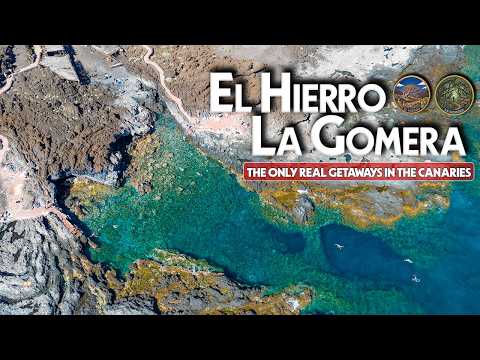
Explore El Hierro’s volcanic rock pools rather than exposed Atlantic water. Arrive at a quieter time for the best chance of having the pools to yourself, and remember that winter water can be cold.
-
Piscinas naturales de El HierroPiscinas naturales de El Hierro, El Hierro, Canary Islands, Spain
Use the El Golfo coastline for a slow scenic drive and coastal photography. The cliffs, volcanic terrain, small restaurants, and rock pools make this a strong place to spend an evening rather than rushing through.
-
El Golfo Coastal CliffsAcantilados de El Golfo, La Frontera, El Hierro, Canary Islands, Spain
Walk sections of the coastal cliffs between El Golfo and La Frontera. The route combines ocean exposure with views across the agricultural basin and is best approached with sturdy footwear.
-
El Golfo Pineapple ValleyValle de El Golfo, La Frontera, El Hierro, Canary Islands, Spain
Drive through the pineapple-growing grid between El Golfo and La Frontera. The island produces most of the pineapples grown in the Canaries, and the half-moon crater creates a distinctive agricultural landscape.
-
La FronteraLa Frontera, El Hierro, Canary Islands, Spain
Use La Frontera as the practical western-side base while exploring the valley, coast, and nearby viewpoints. It places you close to the pineapple-growing landscape and the western cliff roads.
-
Piscinas naturales de El HierroPiscinas naturales de El Hierro, El Hierro, Canary Islands, Spain
Pause at the small restaurants and hotels along the western coast rather than treating El Golfo as a quick viewpoint stop. This is one of the source-recommended areas for spending a night or two.
Days 3-4 Mar de Las Calmas and El Hierro Highlands
Move south and then into the highlands. This phase combines sheltered marine landscapes with El Hierro’s wind-shaped wilderness, cheese-making country, cloud viewpoints, and the César Manrique-designed panoramic restaurant. Roads are scenic but winding, so allow generous driving time.
-
La RestingaLa Restinga, El Pinar, El Hierro, Canary Islands, Spain
Begin the marine-reserve section at La Restinga, the jump-off point for the Mar de Las Calmas. The sheltered southern coastline is highlighted for clear snorkeling and scuba-diving conditions, but marine-reserve rules and local conditions should be checked before entering the water.
-
Mar de Las CalmasMar de Las Calmas, El Hierro, Canary Islands, Spain
Spend time along Mar de Las Calmas, where volcanic drop-offs reach clear water close to shore. The area is presented as a protected alternative to a developed tourist coastline.
-
TacorónTacorón, El Pinar, El Hierro, Canary Islands, Spain
Use Tacorón as the day’s picnic and water-access stop. The recommendation combines free camping, snorkeling, diving, and a remote end-of-island atmosphere; verify current camping permissions before staying overnight.
-
El Sabinar RoadCarretera de El Sabinar, El Hierro, Canary Islands, Spain
Follow the scenic road toward El Sabinar through the western and southern landscapes. The drive itself is part of the recommendation, with changing terrain and strong wind exposure creating the island’s signature wilderness character.
-
El Sabinar RoadCarretera de El Sabinar, El Hierro, Canary Islands, Spain
Photograph the El Sabinar tree, whose dramatic crooked form was created by persistent wind. Treat the tree and surrounding wilderness as a focused stop rather than a generic landscape detour.
-
El Hierro HighlandsLas Montañas de El Hierro, El Hierro, Canary Islands, Spain
Climb into the isolated highlands for the island’s greener, cooler scenery. Look for the landscape associated with local cheesemakers and try smoked Herreño cheese, specifically highlighted as an essential El Hierro food experience.
-
César Manrique Panoramic RestaurantRestaurante panorámico de César Manrique, El Hierro, Canary Islands, Spain
Stop at the highland restaurant designed by César Manrique for panoramic views over the pineapple valley. The setting is particularly suited to a late-afternoon landscape photograph.
-
Mirador de La FronteraMirador de La Frontera, El Hierro, Canary Islands, Spain
Use the Frontera viewpoint for elevated views above a sea of clouds. Visibility is weather-dependent, so keep this as a flexible stop within the highland phase.
Days 5-6 Arrival, San Sebastián, and Northern La Gomera
Take the specific 50-minute high-speed ferry from Los Cristianos to San Sebastián, then use the capital as the entry point for the island. Explore the historic town before moving north toward Agulo and its cliffside viewpoints.
-
San Sebastián de La Gomera Ferry TerminalPuerto de San Sebastián de La Gomera, San Sebastián de La Gomera, Canary Islands, Spain
Use the high-speed ferry from Los Cristianos as the island transition. The crossing is described as taking about 50 minutes; reserve enough time for vehicle check-in if bringing a rental car.
-
San Sebastián de La GomeraSan Sebastián de La Gomera, Canary Islands, Spain
Explore San Sebastián as a relaxed historic port town rather than a quick ferry stop. Its low-key streets and lack of mega-resort development are central to the experience.
-
Columbus Historic Sites, San Sebastián de La GomeraCasa de Colón, San Sebastián de La Gomera, Canary Islands, Spain
Visit the Columbus-linked historic sites in San Sebastián, presented as the last place Christopher Columbus saw in Europe before his 1492 voyage. Keep the stop within the town’s historic core.
-
San Sebastián de La GomeraSan Sebastián de La Gomera, Canary Islands, Spain
If your dates coincide with Carnaval, return to San Sebastián for the white-clad celebrations and talcum-powder tradition. This is a seasonal option, not a year-round activity.
-
AguloAgulo, La Gomera, Canary Islands, Spain
Continue north to Agulo, one of the most beautiful villages in Spain. Photograph the village against the jagged cliff amphitheater and the surrounding banana, avocado, and mango terraces.
-
Mirador de AbranteMirador de Abrante, Agulo, La Gomera, Canary Islands, Spain
Hike from Agulo toward the glass-bottom viewpoint instead of taking the longer drive around. The climb provides the strongest perspective over the village and across the water toward Mount Teide.
Days 7-8 Garajonay, La Fortaleza, and Valle Gran Rey
Finish inland among Garajonay’s laurel forests before descending through La Gomera’s dramatic valleys to Valle Gran Rey. This final phase moves from mossy hiking trails and local cultural heritage to sunset, gardens, and beachside music.
-
Garajonay National ParkParque Nacional de Garajonay, La Gomera, Canary Islands, Spain
Spend the morning in Garajonay National Park among the ancient laurel forest and clearly marked mossy trails. The park covers more than 10 percent of the island and changes character between valleys.
-
Centro de Visitantes del Parque Nacional de GarajonayCentro de Visitantes del Parque Nacional de Garajonay, La Gomera, Canary Islands, Spain
Stop at the Garajonay visitor center at a suitable time for a chance to hear or learn about the island’s whistling language, traditionally used to communicate across deep ravines.
-
La Montaña del CepoLa Montaña del Cepo, La Gomera, Canary Islands, Spain
Walk the simple trail at La Montaña del Cepo, only a short distance from roadside parking. The red ochre plateau creates layered views over the green and yellow coast and the Atlantic.
-
La Fortaleza Red PlateausLa Fortaleza, La Gomera, Canary Islands, Spain
Use the La Fortaleza red plateaus as a northern landscape stop, especially the plateau behind the Agulo viewpoint. The contrasting ochre, green, yellow, and blue layers are ideal for wide landscape compositions.
-
Valle Gran Rey Valley RoadCarretera a Valle Gran Rey, La Gomera, Canary Islands, Spain
Descend through the photogenic valley toward Valle Gran Rey. The journey by car is part of the experience, with steep cliffs, banana terraces, avocado trees, and mangoes framing the route.
-
Valle Gran ReyValle Gran Rey, La Gomera, Canary Islands, Spain
Settle into Valle Gran Rey for the final night and take in its relaxed, sustainable-tourism atmosphere. The valley town is described as one of the standout places on the islands, with dramatic cliffs dropping toward the Atlantic.
-
Valle Gran ReyValle Gran Rey, La Gomera, Canary Islands, Spain
Visit the local park to see avocado and mango trees and public vegetable gardens maintained by residents. The produce is described as freely available, so take only what local rules permit.
-
Playa de Valle Gran ReyPlaya de Valle Gran Rey, La Gomera, Canary Islands, Spain
End the trip on the beach at sunset for the nightly drum circles and singing sessions. Arrive before sunset to frame the beach, cliffs, and gathering atmosphere together.